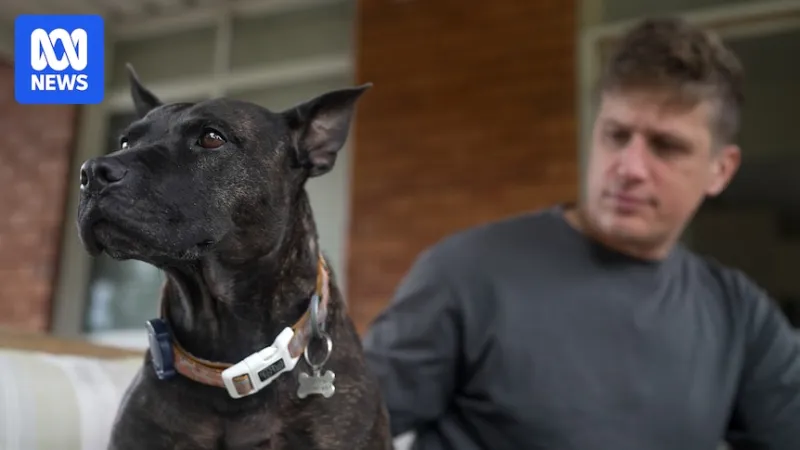
An Australian staffy named Rosie gave hope to cancer patients worldwide when her tumors were successfully treated with the help of artificial intelligence. Scientists at the University of Queensland used AI to design a personalized cancer vaccine for the dog, which led to significant tumor reduction. However, researchers say outdated regulatory hurdles are preventing Australia from leading in this field for human care.
The vaccine was created using an AI platform that analyzed Rosie's tumor DNA to predict which neoantigens would trigger the strongest immune response. This approach, published in a peer-reviewed journal, demonstrates the potential of AI to accelerate vaccine development. The treatment was administered under veterinary care, and Rosie's tumors shrank dramatically.
Despite the success in dogs, scientists argue that current regulations for human clinical trials are not equipped to handle AI-designed vaccines. They call for updated frameworks that can keep pace with technological advances. The Australian government has not yet announced changes to the regulatory process.