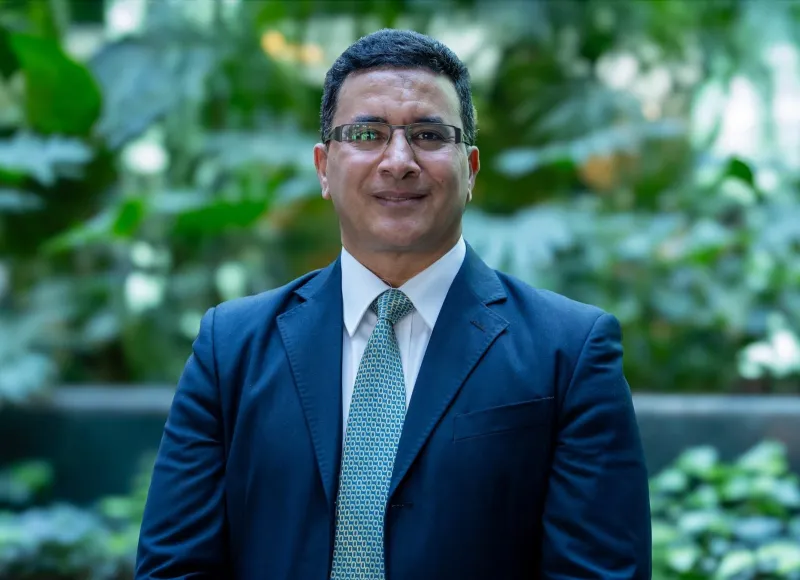
Professor Youssef Habibi, a recognized expert in materials science, has been advocating for the central role of sustainable and bio-based materials in Morocco's industrial transition. As director of a materials research center, his work focuses on developing advanced materials derived from renewable resources, particularly cellulose nanostructures and biopolymers, which can serve as environmentally friendly alternatives to petroleum-based materials.
Habibi's research has gained international recognition, with his work on cellulose nanocrystals and nanofibers being widely cited in the scientific community. These materials, derived from plant biomass, offer remarkable mechanical properties while reducing dependence on fossil-fuel-derived inputs. His laboratory has explored applications ranging from composite materials to functional coatings and biomedical uses.
In the context of Morocco's growing industrial ambitions — including its automotive, aerospace, and textile sectors — the integration of sustainable materials science is seen as a strategic priority. Morocco has been investing in research and development infrastructure to support green industrialization, aligning with broader climate commitments and the global push toward a circular economy.
Professor Habibi has emphasized that collaboration between academia, industry, and government is essential to translate laboratory breakthroughs into scalable industrial applications. He has called for stronger investment in materials science education and research infrastructure in Morocco to build local expertise and reduce reliance on imported technologies.