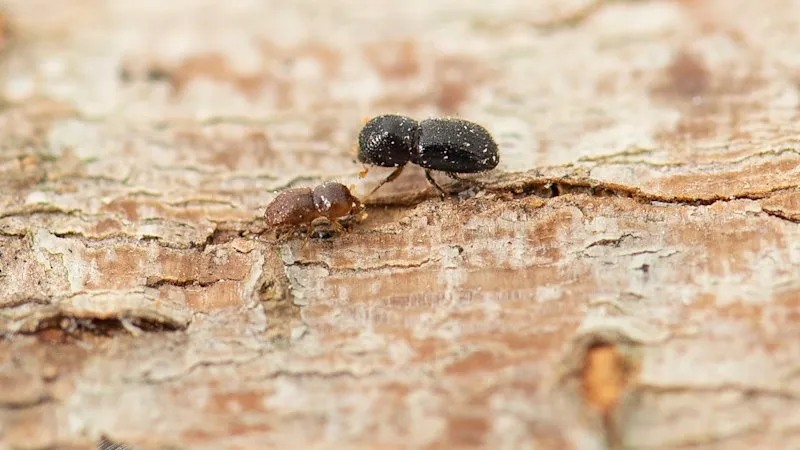
The polyphagous shot-hole borer (PSHB), a tiny beetle native to Southeast Asia, has caused significant damage to trees in Western Australia, with over 4,000 trees lost in Perth alone. According to the Western Australian Department of Primary Industries and Regional Development, the beetle was first detected in Australia in 2021 and has since spread, infesting a wide range of tree species.
Research from the University of Melbourne and other institutions indicates that if the beetle becomes established in eastern Australia, it could threaten up to 50% of the tree canopy in cities like Sydney and Melbourne. The beetle carries a fungus, Fusarium euwallaceae, which blocks the tree's vascular system, leading to dieback and death.
Authorities are urging the public to report any signs of the beetle, which include small entry holes and gum-like exudate on tree trunks. Quarantine measures are in place in affected areas to prevent further spread, and research is ongoing into biological control methods.