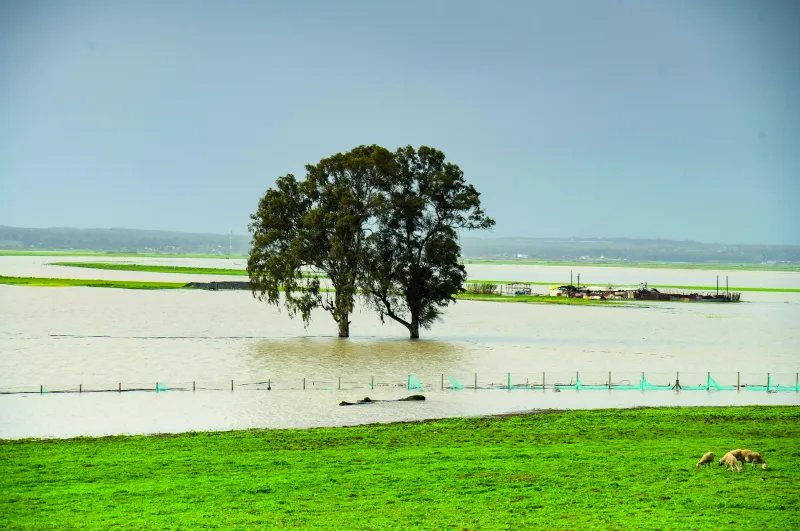
Morocco is experiencing an increasing risk of flooding, driven by climate change and extreme weather events. Recent heavy rainfall in September 2024 caused devastating floods in southern provinces, killing at least 11 people and damaging infrastructure. The floods hit areas including Tata, Tiznit, and Errachidia, with some regions receiving a year's worth of rain in just 48 hours.
According to the World Meteorological Organization, North Africa is warming faster than the global average, leading to more intense and erratic rainfall. Morocco's vulnerability is heightened by its geography, with mountainous terrain and arid regions prone to flash floods. The country has invested in early warning systems and dam infrastructure, but experts say more adaptation is needed.
In response, the Moroccan government has allocated funds for flood prevention and disaster management. The General Directorate of Meteorology has improved forecasting capabilities, but challenges remain in reaching remote communities. Climate models project that extreme precipitation events will become more frequent, underscoring the need for long-term resilience planning.