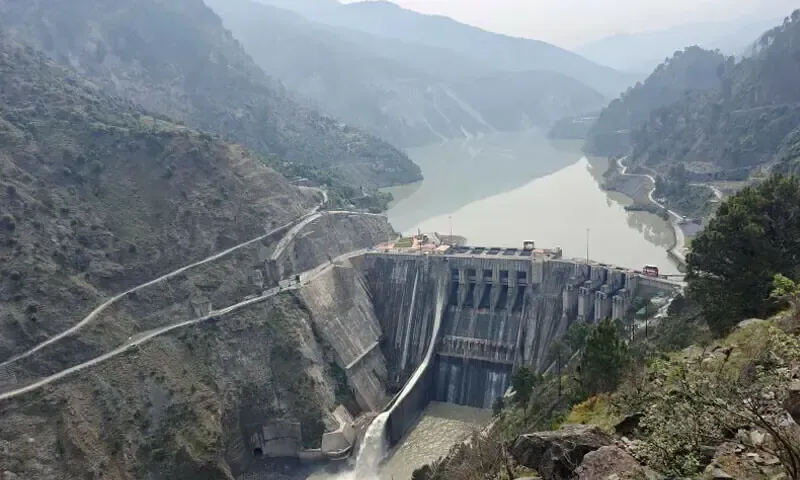
The Permanent Court of Arbitration (PCA) issued a supplemental award on May 19, 2026, addressing Pakistan's decade-old petition challenging the design specifications of two Indian hydropower projects on rivers allocated to Pakistan under the Indus Waters Treaty. The award is the latest in a series of rulings under the 1960 treaty, which governs water sharing between the two countries.
The dispute centers on India's construction of the Kishanganga and Ratle hydroelectric plants on the Jhelum and Chenab rivers, respectively. Pakistan argued that the designs violate the treaty by impounding water and altering flow, potentially affecting its agricultural water supply. The PCA's supplemental award provides further interpretation of treaty provisions, though specific details of the ruling were not immediately available from official sources.
This case has been ongoing since 2016, when Pakistan first raised objections. The World Bank, a signatory to the treaty, facilitated the arbitration process. The PCA previously issued a partial award in 2023, and this supplemental award aims to resolve remaining technical disputes.
The Indus Waters Treaty, signed in 1960, allocates the waters of the Indus River system between India and Pakistan, with Pakistan receiving rights to the western rivers (Indus, Jhelum, Chenab) and India to the eastern rivers (Ravi, Beas, Sutlej). The treaty has survived multiple conflicts and remains a key framework for bilateral water management.