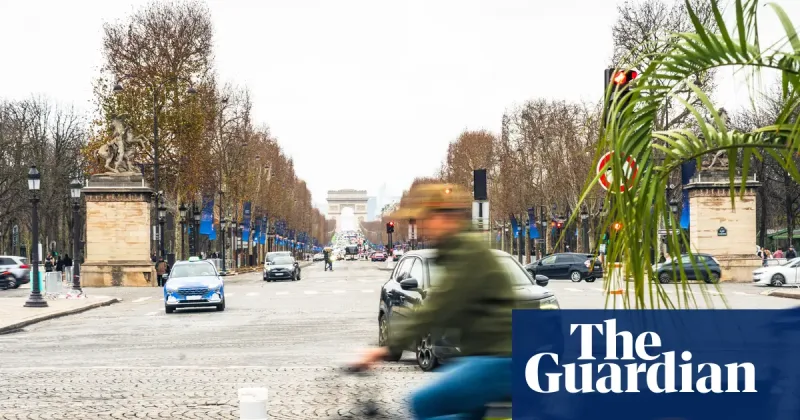
Over the past decade, Paris has undergone a significant transformation in its approach to urban mobility, shifting priority from cars to bicycles. Under the leadership of Mayor Anne Hidalgo, the city has implemented a policy known as the "Plan Vélo," which has seen the creation of hundreds of kilometers of new, protected bike lanes. Key projects include the conversion of the Rue de Rivoli into a largely car-free zone for cyclists and the development of a network of "coronapistes"—temporary bike lanes made permanent after the COVID-19 pandemic.
This infrastructure push has yielded measurable results. According to data from the Parisian urban planning agency (APUR), bicycle use in the city increased by over 60% between 2019 and 2023. The number of daily bicycle trips in the Île-de-France region is estimated to have surpassed one million. Concurrently, the city has reduced on-street car parking by tens of thousands of spaces and expanded its Vélib' bike-sharing scheme, further encouraging modal shift.
The changes have not been without controversy, facing opposition from some motorist groups and political rivals. However, the municipal government frames the policy as essential for improving air quality, reducing noise, and reclaiming public space. The city's goal is for Paris to become a "100% cyclable" city, with continued investments planned for the cycling network through 2026 and beyond.