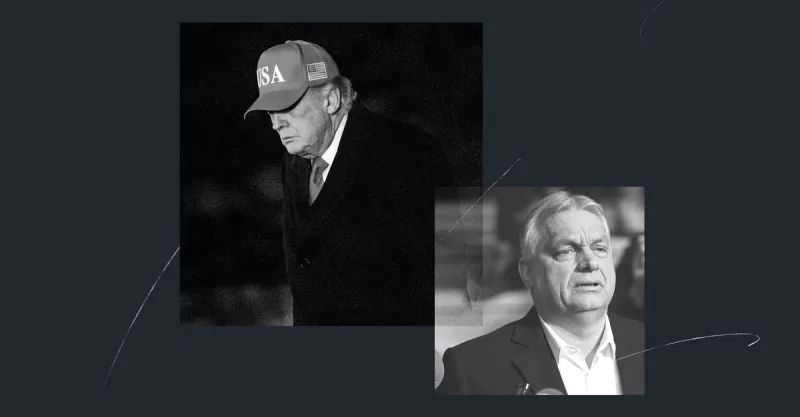
In a significant political shift, Hungarian Prime Minister Viktor Orbán's Fidesz party lost its parliamentary supermajority in the national election held on April 12, 2026. While Fidesz remains the largest single party, the opposition coalition, led by Péter Magyar, secured enough seats to form a government, ending Orbán's 16-year run with unchecked legislative power.
The election was closely watched internationally, with former U.S. President Donald Trump and his running mate, Senator J.D. Vance, publicly endorsing Orbán in the lead-up to the vote. Trump had previously praised Orbán as a strong leader, framing the election as a battle against globalist elites. The result is seen by many analysts as a setback for the brand of nationalist populism that Trump's "Make America Great Again" (MAGA) movement has sought to emulate and champion globally.
Political observers note that the Hungarian opposition successfully mobilized voters around issues of economic discontent and allegations of corruption, overcoming Fidesz's dominance over the media landscape. The outcome suggests potential vulnerabilities for similar populist movements that rely on centralized control, especially when faced with a unified opposition and voter fatigue.