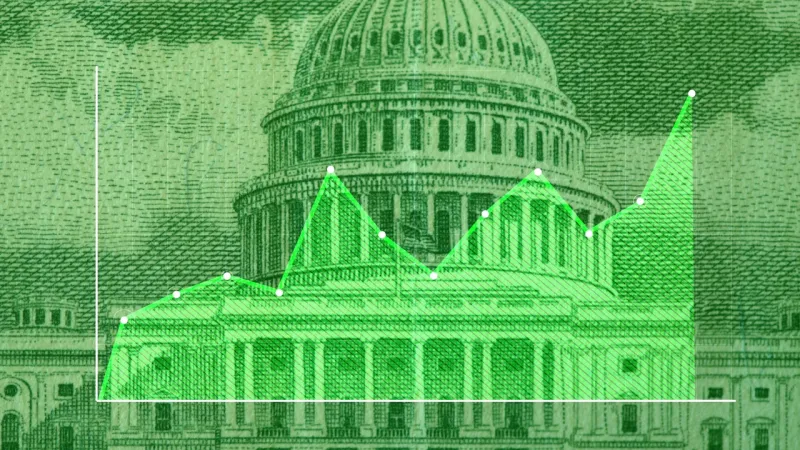
The U.S. government's annual interest expense on the national debt has surpassed $1 trillion, according to recent Treasury Department data. This milestone, covering the 12-month period through early 2026, reflects the combined impact of high debt levels and elevated interest rates.
The Congressional Budget Office (CBO) has repeatedly warned that net interest costs are the fastest-growing major expense in the federal budget. These costs have more than doubled in recent years, driven by the Federal Reserve's interest rate hikes to combat inflation and the government's continued borrowing to fund deficits.
This surge in interest spending now rivals or exceeds major budget items like defense and Medicare. Economists note that it constrains fiscal policy, diverting funds from other programs and increasing the burden on future taxpayers. The CBO projects that if current laws remain unchanged, debt and interest costs will continue to grow substantially over the next decade.