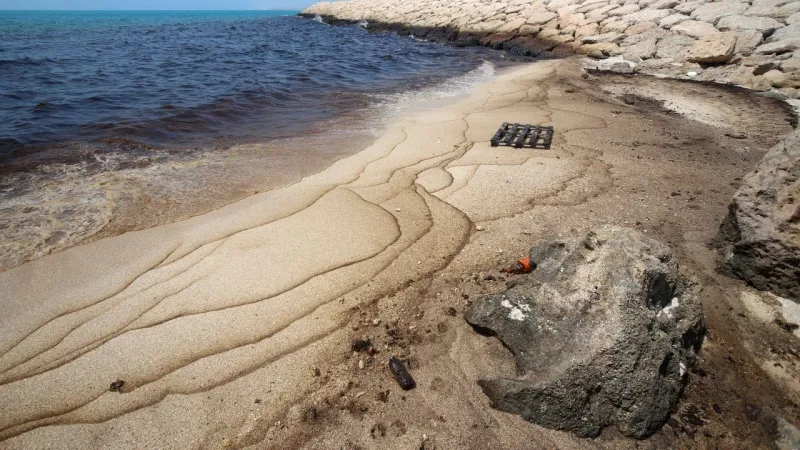
Three separate oil spills are spreading through the Persian Gulf and the Gulf of Oman, threatening marine ecosystems, according to satellite data and shipping sources. The spills come as oil tankers increasingly switch off their Automatic Identification System (AIS) to evade potential attacks in the region, a practice that complicates spill response efforts.
Environmental groups warn that the lack of tracking data makes it harder to pinpoint the source of the leaks and coordinate cleanup. The spills have been detected near major shipping lanes, but the exact extent of the damage remains unclear.
Iranian-backed Houthi rebels have previously targeted tankers in the Red Sea and Arabian Sea, prompting some vessels to go dark. However, the recent incidents in the Persian Gulf and Gulf of Oman have not been officially attributed to any group.
Experts say the combination of heightened security risks and reduced monitoring increases the likelihood of undetected spills, which can cause long-term harm to coral reefs, fisheries, and coastal communities.