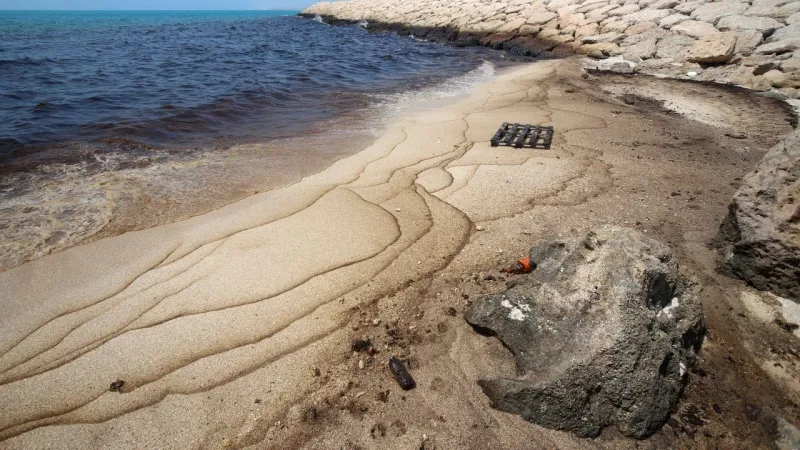
Per- and polyfluoroalkyl substances (PFAS), commonly known as 'forever chemicals', have been detected in Lake Rotorua, New Zealand, according to a recent investigation. The findings have prompted local leaders and environmental groups to call for urgent testing to assess the extent of contamination and potential risks to public health.
The investigation, reported by local media, found PFAS in water samples from the lake. While specific concentrations were not disclosed in the initial reports, the presence of these chemicals has raised concerns because they are persistent in the environment and can accumulate in the food chain. Lake Rotorua is a significant source of food for local iwi and residents, including fish and other aquatic life.
Authorities have not yet issued any health advisories, but the discovery has renewed questions about the safety of consuming food gathered from the lake. The Bay of Plenty Regional Council and local health officials are expected to conduct further testing to determine the source of the PFAS and the potential risks to people and the ecosystem.
PFAS are a large group of synthetic chemicals used in a wide range of consumer products, such as non-stick cookware, waterproof clothing, and firefighting foams. They are called 'forever chemicals' because they do not break down easily in the environment. Long-term exposure to certain PFAS has been linked to adverse health effects, including liver damage, thyroid disease, and some cancers.
Local environmental advocates are urging authorities to act quickly to identify the source of contamination and to implement measures to protect the lake and the community. They also emphasize the need for transparent communication with the public about the findings and any potential health risks.