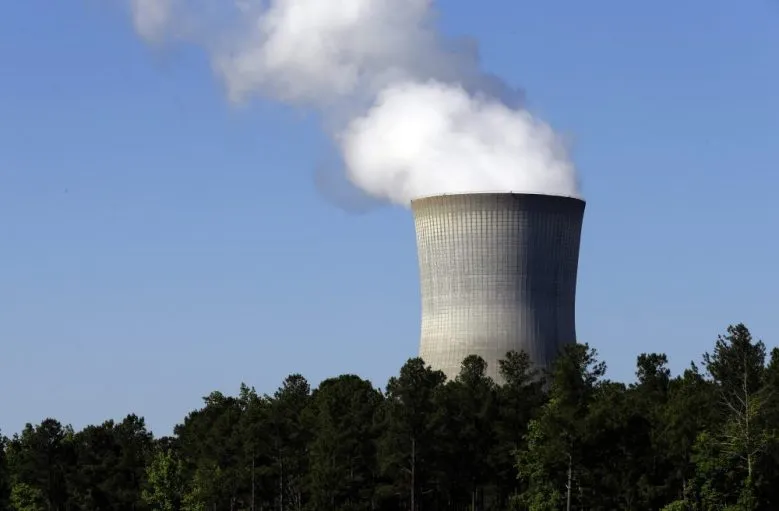
Nuclear energy, once widely opposed in New England, has become a cornerstone of the region's power grid. As of June 2026, nuclear plants supply over 50% of the electricity in New England, according to ISO New England data. This shift is driven by the need for reliable, low-carbon power as renewable sources like wind and solar face intermittency challenges.
The Seabrook Station in New Hampshire and the Millstone Power Station in Connecticut are the two largest nuclear facilities in the region. Together, they generate approximately 4,000 megawatts of electricity, enough to power millions of homes. The Vermont Yankee plant, which closed in 2014, remains a point of contention, but its closure highlighted the risks of losing nuclear capacity.
Proponents argue that nuclear energy is essential for meeting climate goals, as it produces no carbon emissions during operation. Critics, however, raise concerns about nuclear waste disposal and safety risks. The U.S. Nuclear Regulatory Commission continues to oversee plant operations, with no major incidents reported in New England since the 2010s.
The region's reliance on nuclear power is expected to grow, with potential new reactor designs being considered. However, no new plants have been approved in New England as of 2026, and existing plants face aging infrastructure and high maintenance costs.