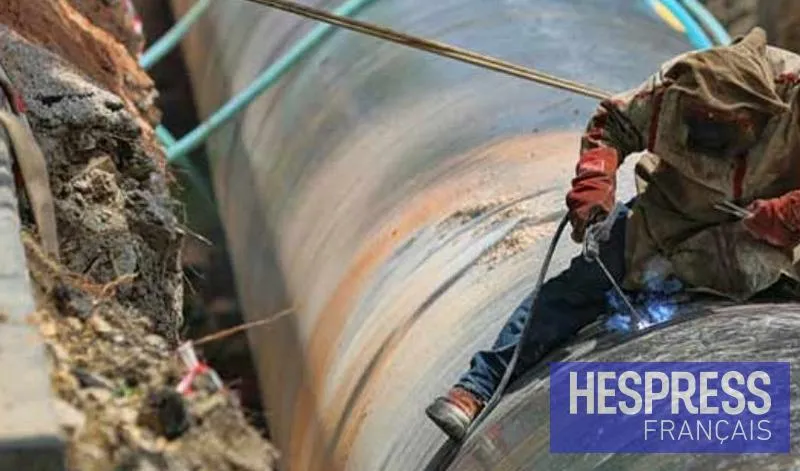
The proposed Nigeria-Morocco Gas Pipeline (NMGP), a 5,600-km offshore pipeline intended to traverse 13 African countries, is often cited as a potential future energy source for Europe. However, as of early 2026, the project remains in the planning and feasibility stage, facing significant delays and is not an immediate alternative for European gas supplies.
Recent reports and statements from involved parties indicate the project's complexity. In late 2025, the Nigerian National Petroleum Company (NNPC) stated that a final investment decision (FID) for the massive $25 billion pipeline was not expected until 2025 or later, a timeline that has already slipped. The pipeline's completion is now projected for the late 2030s at the earliest.
While the European Union has expressed political support for the project as part of its Global Gateway strategy to diversify energy sources, no binding financial commitments for construction have been made. The pipeline's viability also depends on securing gas from Nigeria, where domestic production has faced chronic challenges, including underinvestment and security issues in the Niger Delta.
Experts note that even if completed, the NMGP would primarily serve West African markets before potentially reaching Europe. Its strategic value for Europe is therefore a long-term prospect, not a solution to current energy vulnerabilities exposed by conflicts like the war in Ukraine or Middle East tensions.