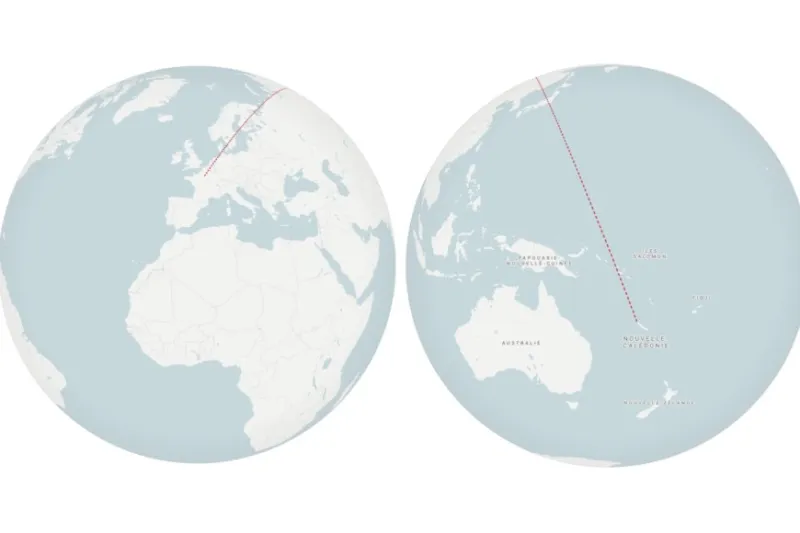
New Caledonia, a French overseas territory in the Pacific, has been experiencing heightened political tensions since 2024, primarily over the issue of independence. The conflict stems from disagreements between pro-independence Kanak groups and loyalist factions regarding electoral reforms and the territory's future status.
In May 2024, protests and riots erupted in Nouméa and other areas, leading to casualties and significant property damage. The French government deployed security forces to restore order. As of early 2026, the situation remains fragile, with ongoing negotiations between local leaders and Paris.
Key issues include the revision of the electoral roll, which pro-independence groups argue would dilute the Kanak vote, and the broader question of self-determination. The Nouméa Accord, which governed the decolonization process, has expired, leaving a political vacuum.
International observers, including the United Nations, have called for dialogue and peaceful resolution. The French government has proposed new talks, but progress has been slow. The economic impact has been severe, with tourism and nickel mining—the territory's main industries—affected.