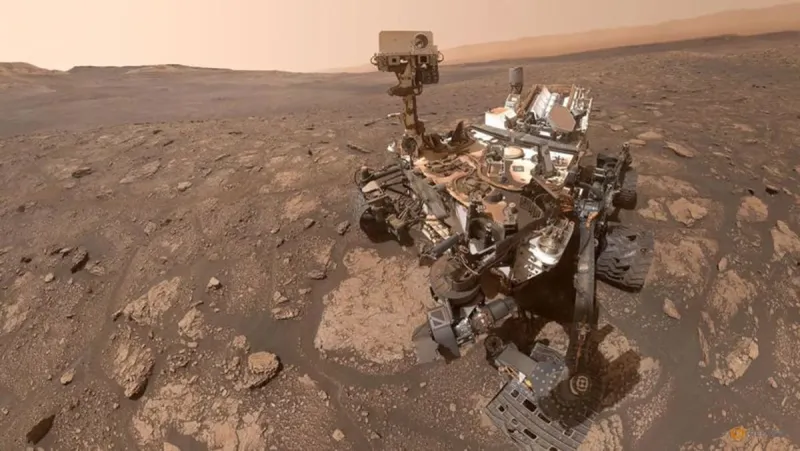
NASA's Curiosity rover has identified a greater diversity of organic molecules on Mars than previously known, according to data from a novel experiment. The findings, detailed in a study published in the journal Nature Astronomy, stem from the first-ever use of wet chemistry experiments on the Martian surface.
The rover analyzed powder drilled from a 3.5-billion-year-old mudstone in the Gale Crater, an ancient lake bed. By using a solvent to free organic compounds from the rock, the experiment detected organic molecules containing sulfur and nitrogen, which could have been crucial for prebiotic chemistry.
While organic compounds are not direct evidence of life—they can be formed by geological processes—their presence, especially in this ancient habitable environment, suggests the planet had the chemical ingredients suitable for life. This discovery adds critical context to the planet's past potential for habitability.
The research team emphasized that the new wet chemistry method significantly expands the toolkit for searching for organic matter on Mars, providing a more complete picture of the molecular inventory preserved in Martian rocks.