Morocco is increasingly being recognized as a strategic player in global supply chains, with its role evolving from a simple transit corridor to a full-fledged manufacturing and logistics hub. The country's geographic proximity to Europe, combined with its political stability and competitive labor costs, has attracted significant foreign investment, particularly in the automotive, aerospace, and renewable energy sectors.
According to the World Bank's Logistics Performance Index (LPI) 2023, Morocco ranked 77th globally, showing improvements in infrastructure and customs efficiency. The country has also signed numerous free trade agreements, including with the European Union, the United States, and several African nations, facilitating smoother trade flows.
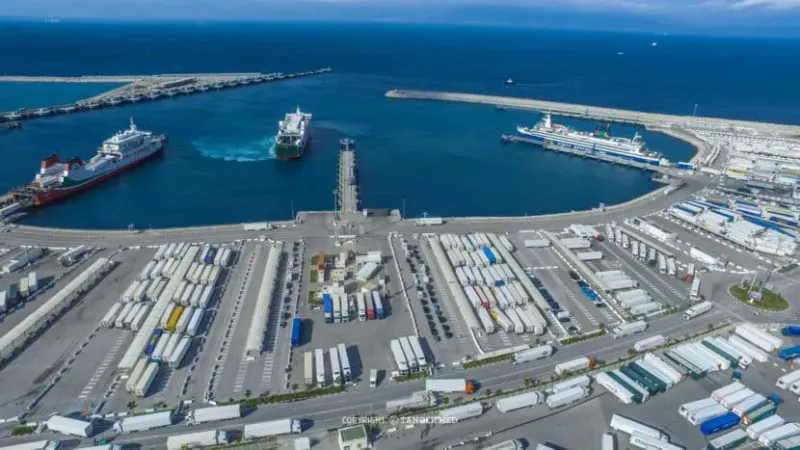
Recent developments, such as the expansion of the Tanger Med port—one of the largest in Africa—and the development of industrial zones like Atlantic Free Zone, underscore Morocco's ambition to become a key platform for global value chains. The country's automotive industry, led by Renault and Stellantis, now produces over 700,000 vehicles annually, with a high local integration rate.
However, challenges remain, including water scarcity, energy costs, and the need for further workforce upskilling. Experts suggest that Morocco's success will depend on its ability to diversify its industrial base and enhance digital infrastructure to compete with other emerging manufacturing hubs in Asia and Eastern Europe.