Morocco's legal framework for heritage protection has developed over more than a century, with its foundations laid during the French protectorate established in 1912. The initial regulations were primarily focused on archaeological sites and monuments of historical interest, serving colonial administrative interests as much as preservation.
Following independence in 1956, Morocco began to assert sovereign control over its cultural patrimony. A significant milestone was the Dahir (Royal Decree) of 1980, which provided a broader definition of national heritage. Subsequent decades saw the establishment of institutions like the National Institute of Archaeology and Heritage (INSAP).
In the 21st century, legal evolution accelerated. Law 22-80, concerning the conservation of historic monuments and sites, inscriptions, and artistic objects, remains a cornerstone. More recent developments include the 2016 decree for the application of parts of this law and efforts to align with international conventions from UNESCO, which Morocco joined in 1956.
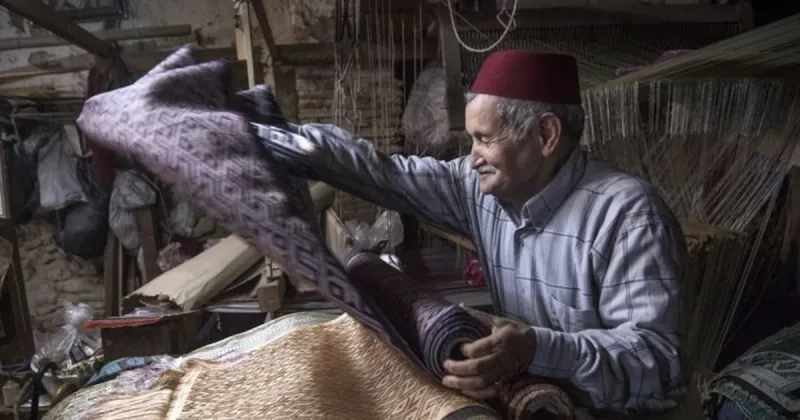
The current legal landscape is a complex blend of protectorate-era ordinances, post-independence royal decrees, and modern laws. This framework aims to manage the tension between development pressures and the preservation of Morocco's rich tangible and intangible cultural heritage, including its medinas, kasbahs, and traditional crafts.