In Morocco, a widespread but unspoken administrative directive compels citizens to take matters into their own hands when public infrastructure fails. Known colloquially as 'débrouille-toi' (fend for yourself), this phenomenon sees individuals repairing broken traffic lights, clearing obstructed roads, or fixing public benches without official assistance. A 2023 report by the Moroccan NGO Transparency Maroc highlighted that 68% of surveyed citizens had personally repaired or maintained a public facility in the past year due to delayed government response.
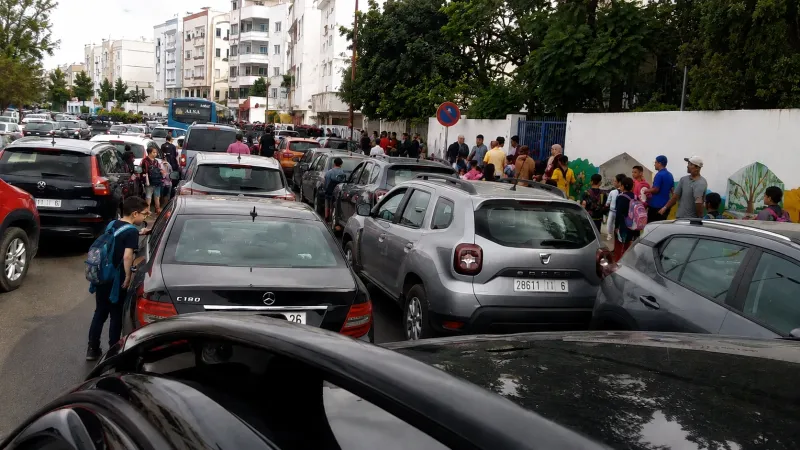
The practice is most visible in urban areas like Casablanca and Rabat, where potholes, malfunctioning streetlights, and damaged sidewalks are common. According to a 2024 study by the University of Hassan II in Casablanca, the average wait time for municipal repairs in these cities exceeds 45 days, prompting residents to act. For example, in February 2025, a group of residents in the Derb Sultan neighborhood of Casablanca collectively repainted a faded pedestrian crossing after three months of unaddressed requests to local authorities.
This 'do-it-yourself' approach reflects broader challenges in Morocco's public service delivery. The World Bank's 2022 Governance Index ranked Morocco 78th out of 193 countries for government effectiveness, with infrastructure maintenance scoring particularly low. However, the phenomenon also fosters community solidarity, as neighbors often pool resources to address shared problems. A 2025 survey by the Moroccan Institute for Policy Analysis found that 82% of participants viewed such self-help as a positive expression of civic duty, despite its roots in administrative failure.
Critics argue that 'débrouille-toi' masks systemic neglect and shifts responsibility from the state to citizens. In a 2024 interview with Le Desk, urban planner Dr. Fatima Zahra El Amrani stated, 'While citizen initiative is commendable, it should not replace the state's obligation to provide basic services. This culture risks normalizing government inaction.' The Moroccan government has acknowledged the issue, launching a $200 million infrastructure maintenance program in 2025, but implementation remains slow.
As of July 2026, the 'débrouille-toi' ethos persists, with citizens continuing to fill gaps in public services. The phenomenon underscores a tension between resilience and accountability, raising questions about the long-term sustainability of relying on citizen labor for essential repairs.