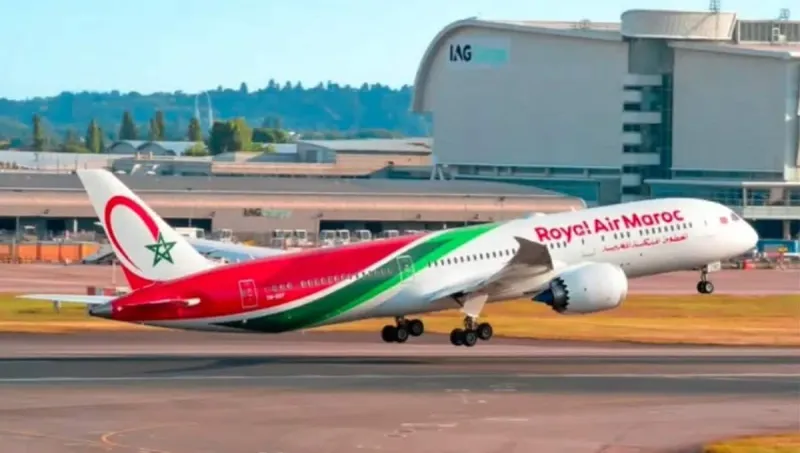
Morocco is actively pursuing a strategy to become a major aviation hub, leveraging its geographic position between Europe, Africa, and the Middle East. The country's national carrier, Royal Air Maroc, has been central to this vision, expanding its fleet and route network. The government has invested significantly in airport infrastructure, including the Mohammed V International Airport in Casablanca, which serves as the primary gateway.
Recent developments include the expansion of the Marrakech-Menara Airport and ongoing upgrades to other regional airports to accommodate growing passenger traffic. The strategy aims to boost tourism, a critical sector for the Moroccan economy, and facilitate trade by improving cargo capabilities. The 'Open Skies' agreement with the European Union has been a key policy, increasing air traffic and competition.
However, the ambition faces challenges, including regional competition from hubs like Istanbul and Dubai, and the need for continuous investment to keep pace with global aviation trends. The sector's growth is also tied to broader economic stability and tourism recovery patterns post-pandemic. Analysts note that success depends on integrating air travel with other transport modes and sustaining competitive service levels.