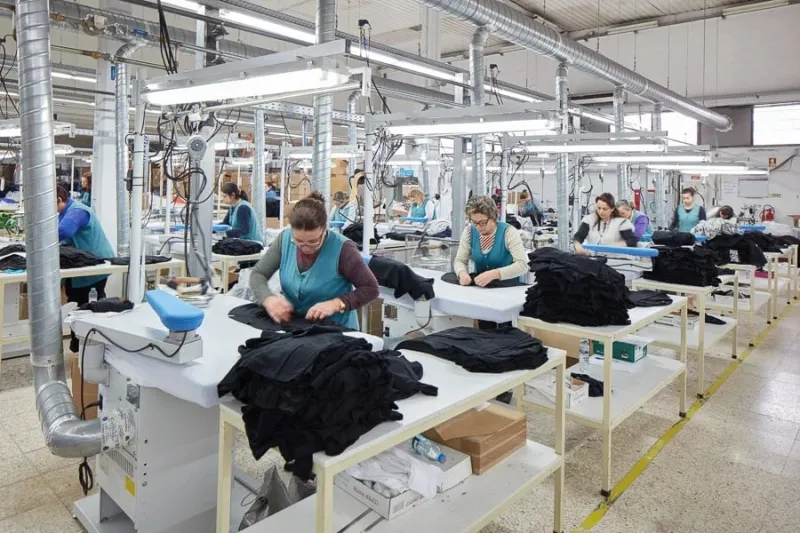
The International Finance Corporation (IFC) has announced that pilot tests under the 'Morocco Textile Circularity' program demonstrate that recycling textile waste in Morocco is both technically viable and commercially feasible. The program, which aims to boost the circular economy in the textile sector, has identified a potential for $1.9 billion in private investments.
According to the IFC, the pilots successfully processed post-industrial and post-consumer textile waste, turning them into reusable fibers and materials. The initiative is part of Morocco's broader strategy to reduce landfill waste and create new economic opportunities in the recycling industry.
The $1.9 billion figure represents the estimated investment needed to scale up textile recycling infrastructure across the country, including collection, sorting, and processing facilities. The IFC, a member of the World Bank Group, is working with Moroccan authorities and private sector partners to attract funding and implement the program.
Morocco is a major textile producer, generating significant waste from manufacturing and consumer use. The circular economy approach aims to capture this waste stream, reduce environmental impact, and create jobs. The IFC has not yet disclosed specific timelines for full-scale implementation but noted that the pilots have proven the concept's feasibility.