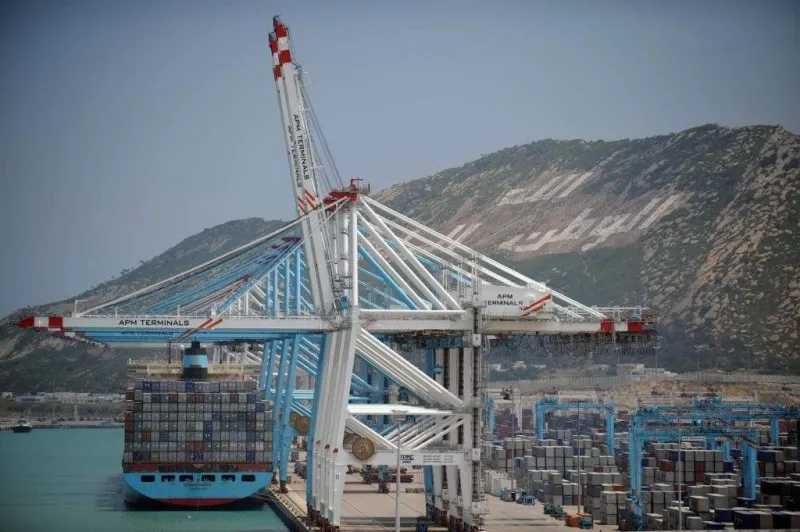
In 2025, Morocco, South Africa, and Egypt remained the top three importers on the African continent, collectively accounting for nearly 40% of Africa's total external purchases. This concentration reflects the growing industrial needs and expanding urban markets in these economies, according to trade data from the African Development Bank and national statistics offices.
Morocco's imports were driven by its automotive and aerospace sectors, as well as increased demand for machinery and chemicals. South Africa's imports included machinery, electronics, and petroleum products, while Egypt's imports were fueled by foodstuffs, machinery, and raw materials for its manufacturing sector.
The three countries together imported goods worth an estimated $280 billion in 2025, representing a 5% increase from the previous year. This trend underscores the uneven distribution of trade activity across Africa, with these three nations dominating due to their larger economies and more diversified industrial bases.
Analysts note that while this concentration highlights economic disparities within the continent, it also points to opportunities for regional integration and value chain development. The African Continental Free Trade Area (AfCFTA) aims to reduce such imbalances by promoting intra-African trade and industrialization.