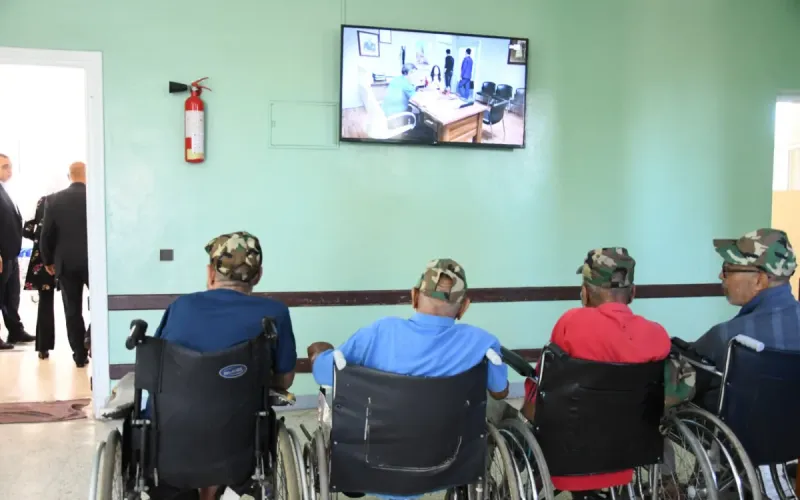
Morocco is facing a demographic shift that could require additional caregivers for its elderly population. According to the High Commission for Planning (HCP), the share of residents aged 60 and over was estimated at 13.9% in 2024 and is projected to reach 19.5% by 2040. This increase is driven by a declining fertility rate, which fell to 1.97 children per woman in 2024, below the replacement level of 2.1.
To address the growing need for elderly care, the Moroccan government is considering recruiting foreign caregivers. This proposal was discussed in a recent report by the Economic, Social and Environmental Council (CESE), which highlighted the potential of foreign labor to fill gaps in the healthcare and social services sectors. The CESE suggested that Morocco could benefit from the experience of countries like Spain and Italy, which have similar programs.
The plan would involve creating a legal framework to facilitate the recruitment and integration of foreign caregivers, with a focus on training and language skills. The government has not yet announced a timeline or specific quotas, but the CESE report recommends pilot projects in regions with the highest elderly populations.
Local organizations have expressed mixed reactions. Some welcome the initiative as a practical solution to a looming crisis, while others argue that Morocco should first invest in training its own citizens for these roles. The debate is ongoing, but the demographic pressures are clear: by 2040, nearly one in five Moroccans will be over 60, and the country must prepare for their care.