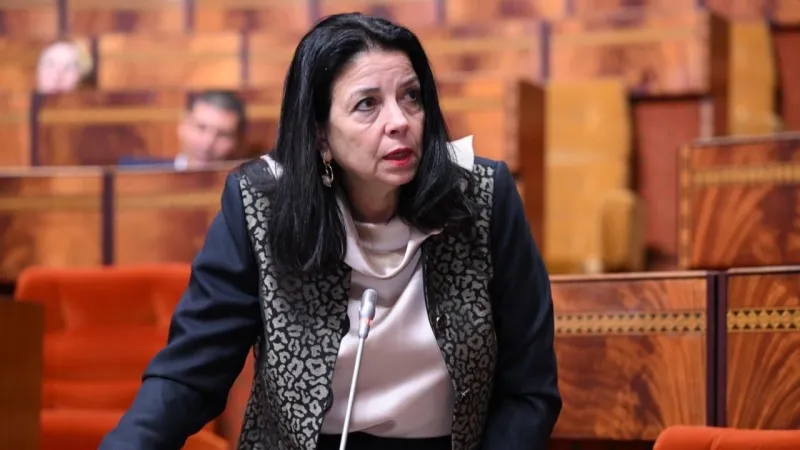
Morocco's Minister of Digital Transition and Administrative Reform, Amal El Fallah Seghrouchni, has publicly argued for the permanent retention of GMT+1 (UTC+1) as the country's standard time. In a statement reported by Moroccan media on April 22, 2026, she emphasized that the decision is based on studies showing economic benefits, including improved alignment with European business hours and energy savings.
According to Seghrouchni, maintaining GMT+1 year-round avoids the biannual clock changes that disrupt sleep patterns and productivity. She noted that a 2025 government survey found 68% of businesses prefer the current system, citing smoother international trade. The minister also highlighted that the time zone aligns Morocco with key partners like France and Spain during summer months.
Critics, including some parents and educators, have raised concerns about children attending school in darkness during winter mornings. However, Seghrouchni countered that adjustments to school schedules could mitigate this, and that the overall economic gains outweigh the drawbacks. She referenced a 2024 report from the Moroccan Economic Observatory estimating annual savings of 200 million dirhams in energy costs.
The debate over time zones in Morocco has been ongoing since 2018, when the government first experimented with permanent GMT+1. A 2023 law formalized the change, but public discussion continues. Seghrouchni's latest remarks aim to reaffirm the government's position ahead of any potential review.