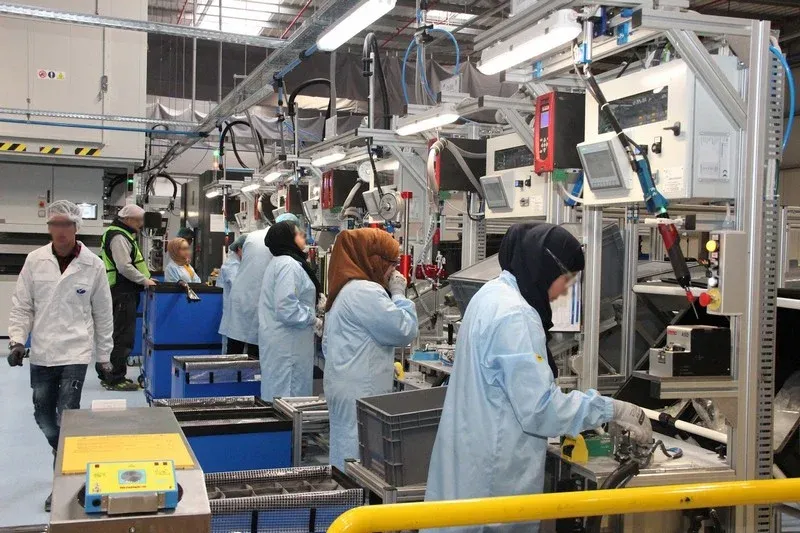
Morocco faces significant challenges in achieving its long-term social protection ambitions due to low female labor force participation, persistent informal employment, and an aging population, according to recent reports. The International Labour Organization (ILO) and national statistics highlight that women's participation in the labor market remains among the lowest in the Middle East and North Africa region, at around 22% in 2025, compared to over 70% for men.
Informal employment accounts for approximately 60% of total employment in Morocco, excluding many workers from social security coverage such as pensions, health insurance, and family allowances. This informality is particularly high in agriculture, construction, and services, and disproportionately affects women and youth.
Rapid population aging is adding further pressure. The share of Moroccans aged 60 and over is projected to rise from 12% in 2020 to over 20% by 2050, increasing the demand for pensions and healthcare. The current social protection system, which relies heavily on formal employment contributions, is ill-equipped to cover the growing number of older people without adequate savings or coverage.
Reforms are underway, including the extension of health insurance to informal workers and the introduction of a universal pension system, but implementation remains slow. The World Bank has warned that without addressing the gender gap in employment and reducing informality, Morocco's social protection goals will be difficult to sustain.