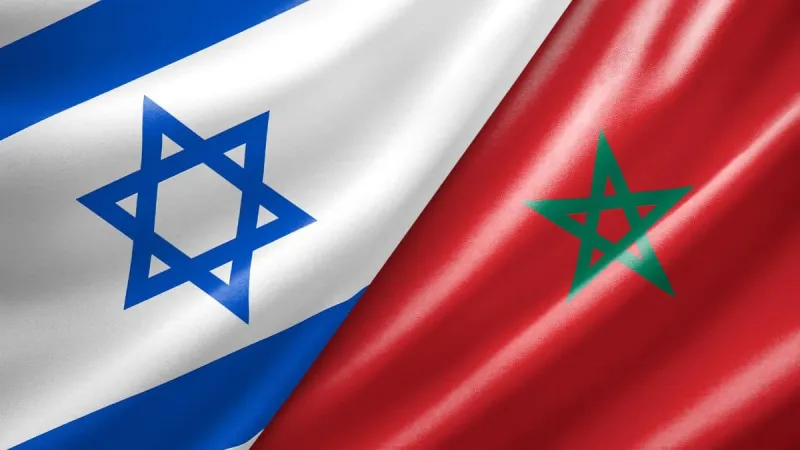
Morocco has maintained its diplomatic relations with Israel, established under the 2020 Abraham Accords, despite growing international criticism of Israeli Prime Minister Benjamin Netanyahu's government. While other regional partners have expressed strong public condemnation of Israel's military actions in Gaza, the Moroccan government has largely continued its normalization path, though it has also called for a ceasefire and a two-state solution.
King Mohammed VI, who holds executive authority over foreign policy, has positioned Morocco as a mediator, leveraging its historical ties with both Israel and the broader Arab world. The relationship is underpinned by shared security concerns and U.S.-brokered agreements, including U.S. recognition of Moroccan sovereignty over Western Sahara.
However, the partnership is not without domestic tension. Public opinion in Morocco is broadly supportive of the Palestinian cause, and the government has faced protests criticizing its ties with Israel. Analysts note that while the diplomatic channels remain open, the pace of public engagement and joint initiatives has slowed considerably since the outbreak of the Israel-Hamas war in October 2023.
As of April 2026, Netanyahu faces significant diplomatic isolation from many Western allies and international institutions over the prolonged conflict. In this context, Morocco's continued, albeit cautious, engagement makes it a notable exception among the Abraham Accords signatories, representing one of Israel's few stable relationships in the region.