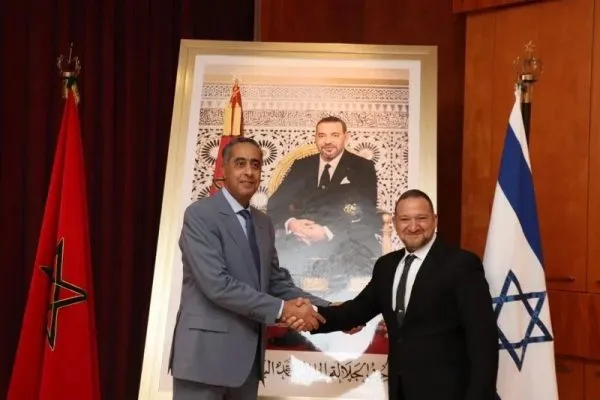
Morocco's normalization of relations with Israel, formalized in the 2020 Abraham Accords, has encountered significant hurdles as of May 2026. The agreement, brokered by the United States, included U.S. recognition of Moroccan sovereignty over Western Sahara, but progress has been uneven.
Public opinion in Morocco remains divided, with many citizens expressing solidarity with Palestinians amid the ongoing Israel-Hamas conflict. Protests in Rabat and Casablanca have called for a reversal of normalization, reflecting deep-seated opposition in a country where support for the Palestinian cause is historically strong.
Economic benefits, including trade and tourism, have been modest. Israeli investments in Morocco have not met initial expectations, and cultural exchange programs have faced bureaucratic delays. Meanwhile, regional dynamics, such as Algeria's opposition to normalization and tensions with Iran, complicate Morocco's diplomatic balancing act.
The Moroccan government maintains that normalization serves its national interests, particularly regarding Western Sahara. However, critics argue that the deal has failed to deliver tangible gains while alienating key allies in the Arab world.