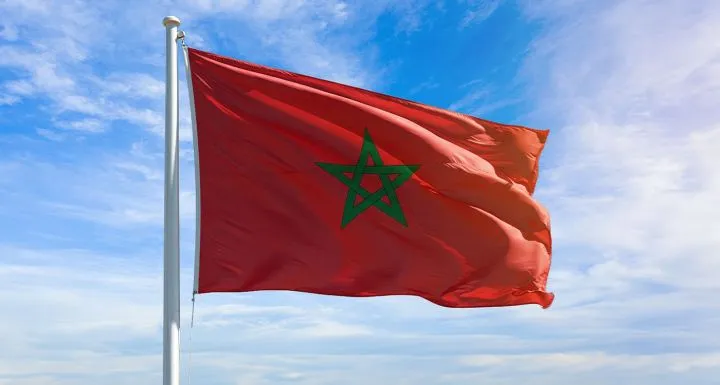
Morocco is preparing for legislative elections in September 2026, marked by uncertainty and tension as Islamist parties, including the Justice and Development Party (PJD), seek to regain influence after losses in 2021. The elections come amid a political landscape where traditional parties struggle to maintain support, and the monarchy's role remains central.
According to verified reports, the PJD, which led the government from 2011 to 2021, has been rebuilding its base after a significant defeat in the 2021 elections, where it lost most of its parliamentary seats. The party is now positioning itself as a key opposition force, capitalizing on public discontent over economic issues.
The electoral process is overseen by the Ministry of Interior, with the Independent High Authority for Elections ensuring transparency. However, analysts note that voter turnout has been declining in recent years, with only 50% participation in 2021. The 2026 elections are expected to test the resilience of Morocco's democratic institutions.
King Mohammed VI, who holds significant political power, has called for inclusive and fair elections. The new government will face challenges including high unemployment, inflation, and the aftermath of the 2023 Al Haouz earthquake. International observers from the European Union and African Union are expected to monitor the process.