Morocco is accelerating its green energy transition, driven in part by new European Union carbon border adjustment mechanisms (CBAM). The country, which already hosts one of the world's largest concentrated solar power plants at Noor Ouarzazate, aims to increase renewable energy capacity to 52% of total installed capacity by 2030, up from around 40% currently.
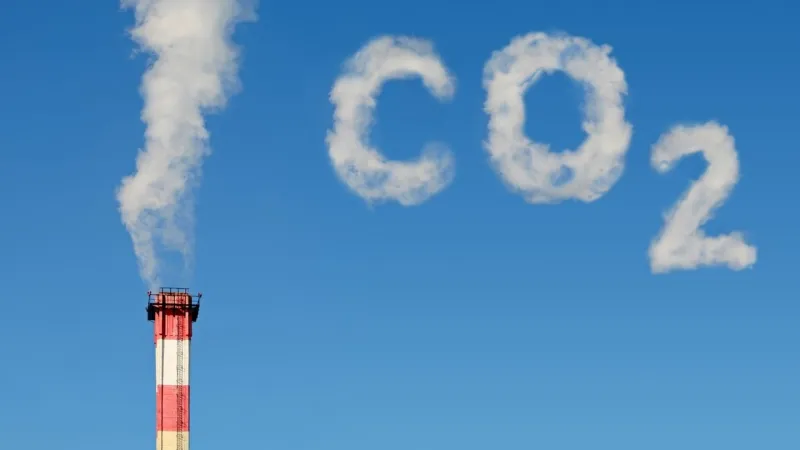
The EU's CBAM, which began its transitional phase in October 2023 and will impose full carbon costs on imports from 2026, has pushed Moroccan exporters—especially in fertilizers, steel, and cement—to seek cleaner energy sources. Morocco's state-owned power utility ONEE has announced plans to add 4.5 GW of solar and wind capacity by 2027, according to official statements.
Morocco is also investing in green hydrogen production, with a $10 billion project in the southern region to produce ammonia for export. The country has signed memoranda of understanding with European companies, including Germany's Siemens Energy and France's TotalEnergies, to develop the sector.
However, challenges remain. The country still relies on imported fossil fuels for about 90% of its energy needs, and the transition requires significant foreign investment and grid modernization. Environmental groups have also raised concerns about water usage for solar thermal plants in arid regions.