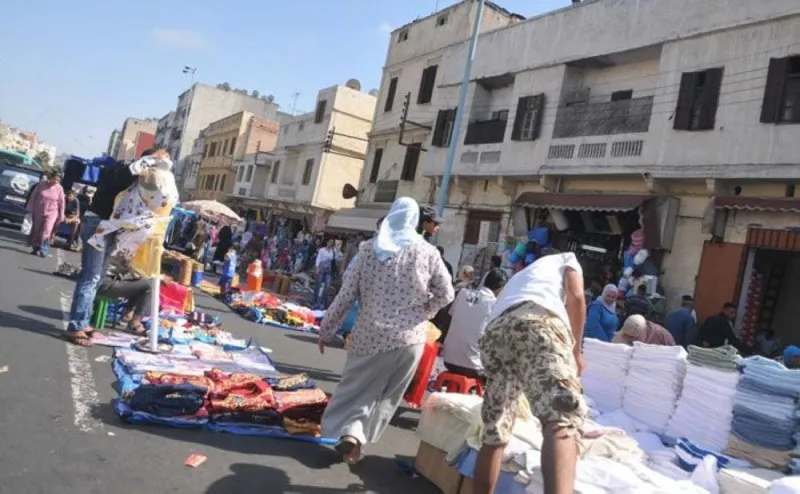
A recent report from the Moroccan Economic, Social and Environmental Council (CSEPP) indicates that 77% of employment in Morocco is informal, leaving the majority of workers without access to social safety nets such as health insurance or pensions. The figure underscores a persistent structural challenge in the North African country's labor market.
The CSEPP report, published in 2026, highlights that informal employment is concentrated in sectors like agriculture, construction, and retail trade. Workers in these sectors often lack formal contracts, job security, and legal protections, making them vulnerable to economic shocks.
To address this, the CSEPP recommends expanding social protection coverage, simplifying business registration procedures, and improving access to microfinance. The council also calls for targeted programs to help informal workers transition to the formal economy, including tax incentives and training initiatives.
As of May 2026, the Moroccan government has not yet issued an official response to the report. However, the findings are expected to fuel debate on labor reforms ahead of upcoming policy discussions.