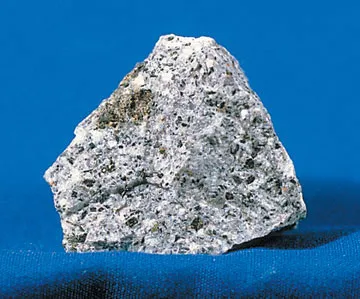
A team involving Mohammed VI Polytechnic University (UM6P) and the Canadian Light Source (CLS) has studied a syenite rock from Morocco and found a way to enhance its potassium release through hydrothermal treatment. The findings, published in 2026, could help diversify sources of potash fertilizers, which are critical for global agriculture.
The researchers used synchrotron techniques at the CLS to analyze the mineral composition of the syenite and understand how hydrothermal conditions affect potassium extraction. They found that treating the rock with water at high temperatures and pressures significantly increased the release of potassium, making it a more viable alternative to traditional potash deposits.
This development is particularly relevant for Morocco, which imports most of its potash despite having large phosphate reserves. The study suggests that local syenite could be processed to produce potassium fertilizers, reducing dependency on imports and supporting agricultural sustainability.
The team emphasizes that further research is needed to scale up the process and assess economic viability, but the results are a promising step toward innovative fertilizer solutions.