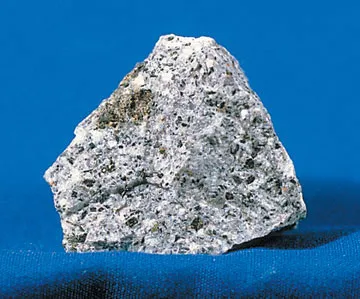
Researchers have identified a type of rock found in Morocco, called syenite, which contains natural potassium—an essential nutrient for crops. However, the potassium is locked in the mineral structure and is not directly available to plants.
According to a study published in 2024, scientists have developed a process to extract potassium from syenite using a combination of heat and chemical additives, making it bioavailable as a fertilizer. This could provide an alternative to traditional potash fertilizers, which are often expensive and imported.
The research, conducted by the University of Nottingham and the Mohammed VI Polytechnic University, suggests that local production of this fertilizer could reduce dependence on imports and support sustainable agriculture across Africa. Field trials are ongoing to test its effectiveness on staple crops.
While the technology is still in development, the potential for using locally sourced rocks to create affordable fertilizers is promising for food security in the region.