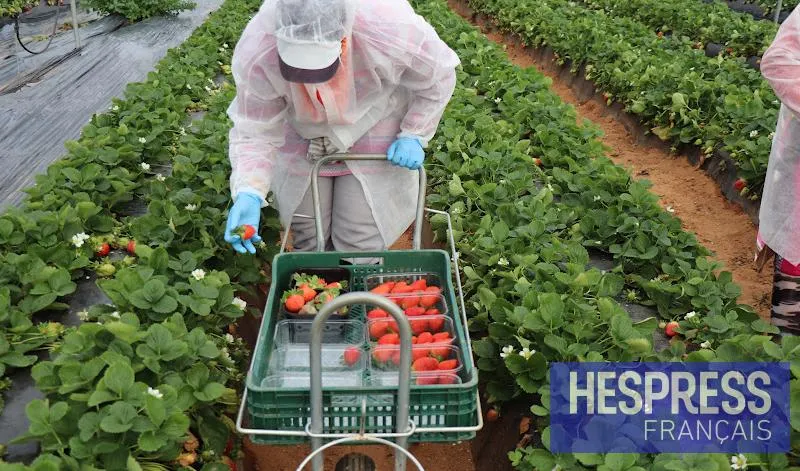
On June 7, 2026, the Committee of Women in the Agricultural Sector, affiliated with the National Federation of the Agricultural Sector of the Moroccan Union of Labor (UMT), condemned all forms of violations, violence, and discrimination faced by Moroccan seasonal workers in Spain, following the death of a female worker. The committee called for an investigation into the circumstances of the death and for improved working and living conditions.
The UMT has repeatedly reported cases of exploitation, including excessive working hours, low wages, and inadequate housing. In 2025, Spanish authorities inspected several farms in Huelva and Almería, finding irregularities in contracts and accommodations for temporary workers from Morocco.
According to data from the Spanish Ministry of Inclusion, Social Security, and Migration, around 20,000 Moroccan women travel to Spain each year under seasonal agricultural contracts. Human rights organizations have documented cases of wage theft, lack of access to healthcare, and verbal abuse.
The Moroccan government has urged Spain to ensure compliance with labor laws and bilateral agreements. The Spanish government stated it is committed to protecting workers' rights but faces challenges in enforcement due to the temporary nature of the work.