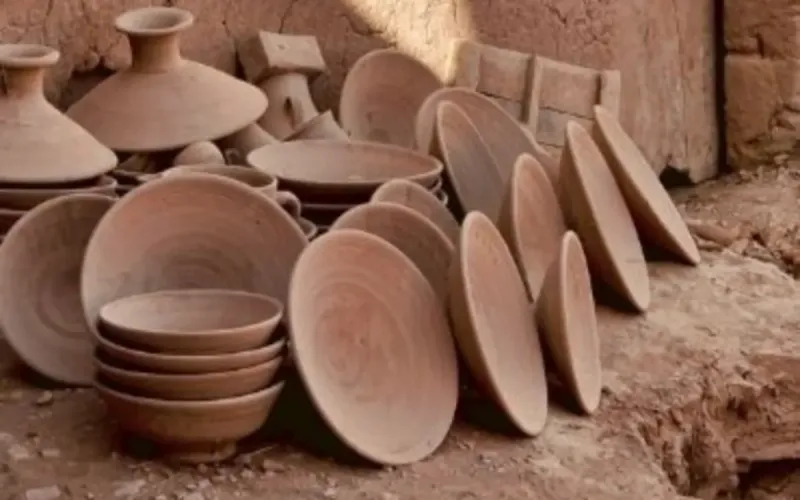
Traditional Moroccan pottery, known for its distinctive black coating on terracotta jars and jugs, is at the center of a debate. The coating, often described by artisans as a natural tar derived from cedar wood, has been used for generations. However, recent environmental and health concerns have led to discussions about restricting its use.
According to local reports, the substance is actually a mixture of pine resin and soot, not cedar tar as commonly believed. Artisans apply it while the pottery is still hot, creating a glossy, waterproof finish. The technique is particularly prevalent in the city of Safi, a major pottery hub.
Authorities have not yet issued a formal ban, but workshops are already feeling the pressure. Some artisans report that clients are canceling orders due to uncertainty, and there are fears that stricter regulations could force many workshops to close. The Moroccan Ministry of Industry has stated that it is studying the issue but has not made a final decision.
Experts suggest that alternatives exist, such as using natural plant-based oils or synthetic coatings, but artisans argue that these would change the traditional look and quality. The debate highlights the tension between preserving cultural heritage and addressing environmental and health risks.