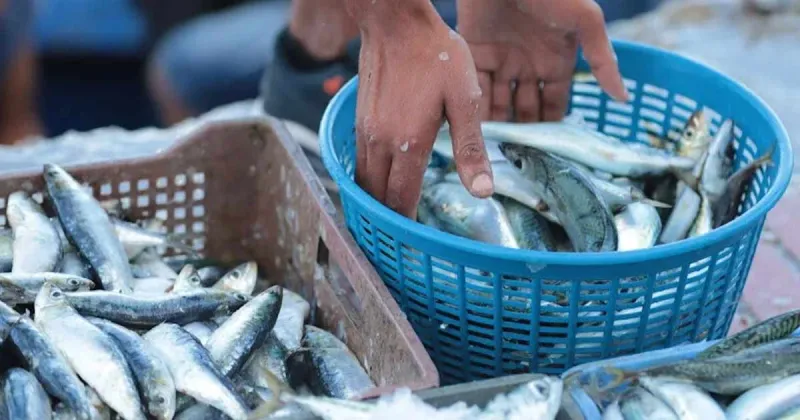
Morocco's coastal and artisanal fishing sector generated a commercial value of 3.11 billion dirhams (MMDH) by the end of March 2026, representing a 3% decline compared to the same period in 2025, according to the National Fisheries Office (ONP). The overall volume of landings saw a more significant decrease of 14%, dropping to approximately 194,000 tonnes.
The data highlights a divergent trend among species. While white fish and pelagic species experienced notable drops in volume, cephalopods (such as octopus and cuttlefish) and crustaceans demonstrated relative resilience. Their higher market value helped cushion the overall financial impact of the reduced catch volumes on the sector.
The ONP attributes the overall decline in landings primarily to unfavorable weather conditions and biological rest periods implemented for certain species to ensure sustainable stock management. The sector remains a critical component of Morocco's economy and food security, employing thousands in coastal communities.
Authorities continue to monitor stocks and enforce fishing regulations to balance economic activity with the long-term health of marine resources. The performance of higher-value shellfish provides a financial buffer, but the sector faces ongoing challenges from environmental factors and resource management requirements.