Coffee arrived in Morocco in the 16th century via trade routes from Yemen and the Ottoman Empire, quickly becoming a staple in urban centers like Fez and Marrakech. By the 18th century, coffeehouses, known as 'qahwa,' emerged as key social spaces where Moroccans gathered for conversation, business, and entertainment. These establishments often served spiced coffee with cardamom or cinnamon, a tradition that persists today.
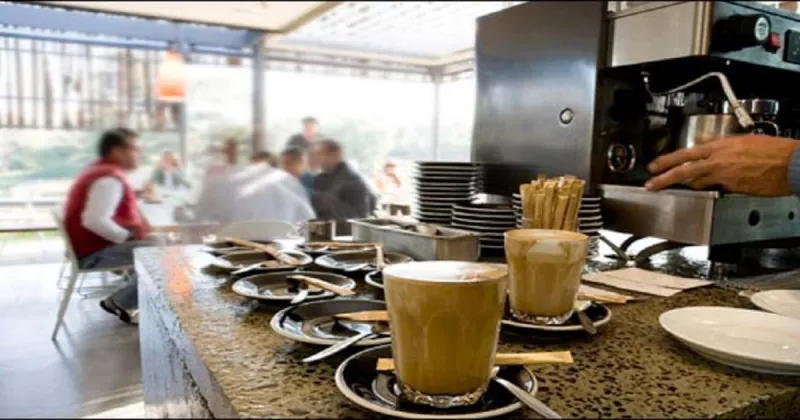
In modern Morocco, cafes are ubiquitous, from the narrow alleys of medinas to modern boulevards. They function as informal community hubs, where men and increasingly women meet to discuss politics, conduct business, or simply relax. The ritual of preparing and serving coffee—often in small cups with foam—remains a point of pride, with local roasters like those in the old city of Fez maintaining centuries-old techniques.
Despite the rise of global chains, traditional Moroccan cafes continue to thrive, adapting to contemporary tastes while preserving their role as social anchors. The coffee culture reflects broader societal changes, including urbanization and shifting gender norms, yet the core experience of sharing a cup remains a cherished national habit.