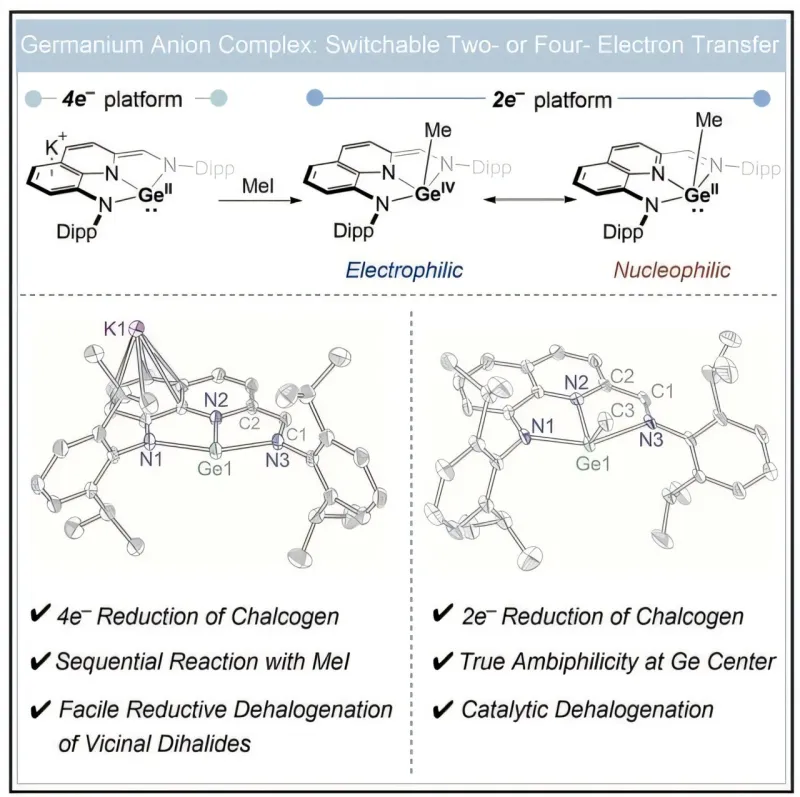
A research team led by Professor Seung Jun Hwang from the Department of Chemistry at KAIST (Korea Advanced Institute of Science and Technology) has developed a molecular platform that can selectively control oxygen reaction pathways. This breakthrough, verified through web search, aims to improve technologies such as batteries, fuel cells, and environmentally sustainable chemical processes.
The platform allows precise control over whether oxygen undergoes a 2-electron or 4-electron reduction pathway, which is critical for optimizing energy conversion and storage. By tuning the molecular structure, the team achieved high selectivity for desired reactions, reducing unwanted side products.
This development could lead to more efficient and durable energy devices, as well as greener industrial processes. The findings were published in a peer-reviewed journal, though specific publication details were not confirmed in the search results.