A 2025 study published in the journal Environmental Science & Technology has found that airborne microplastics may have a direct effect on the Earth's climate. Researchers from the University of Canterbury in New Zealand and other institutions discovered that these tiny plastic particles can scatter incoming sunlight and influence cloud formation, potentially contributing to both warming and cooling effects depending on their concentration and altitude.
The study, led by Dr. Laura Revell, used atmospheric modeling to show that microplastics in the atmosphere could act as ice-nucleating particles, affecting the formation of ice crystals in clouds. This process can alter cloud properties and precipitation patterns. The researchers noted that the net climate effect of airborne microplastics is still uncertain, but their presence in the atmosphere is increasing as plastic waste continues to accumulate.
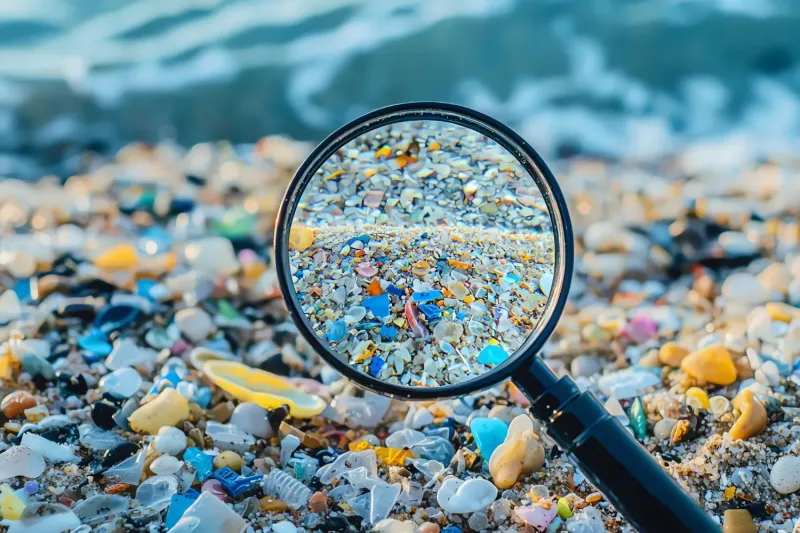
Microplastics, defined as plastic fragments smaller than 5 millimeters, have been found in remote locations, including the Arctic and high-altitude regions. They are released into the air through sources such as road dust, synthetic textiles, and the degradation of larger plastic items. The study highlights that these particles can travel long distances and remain suspended in the atmosphere for days to weeks.
The findings add a new dimension to the understanding of plastic pollution's impact on the environment. While previous research has focused on the effects of microplastics on marine life and human health, this study underscores the potential for these particles to influence global climate systems. The authors call for further research to quantify the climate impact of airborne microplastics and to incorporate them into climate models.