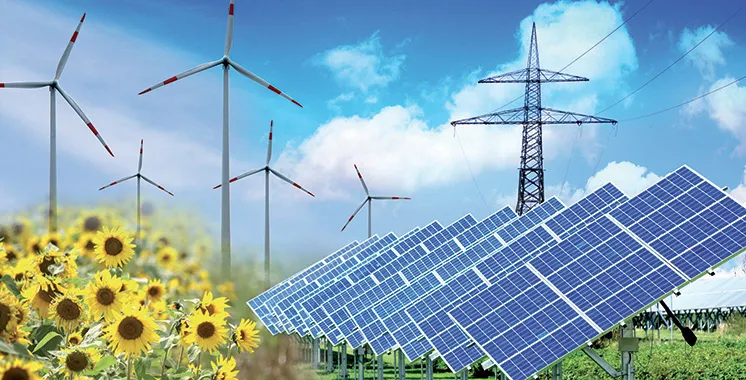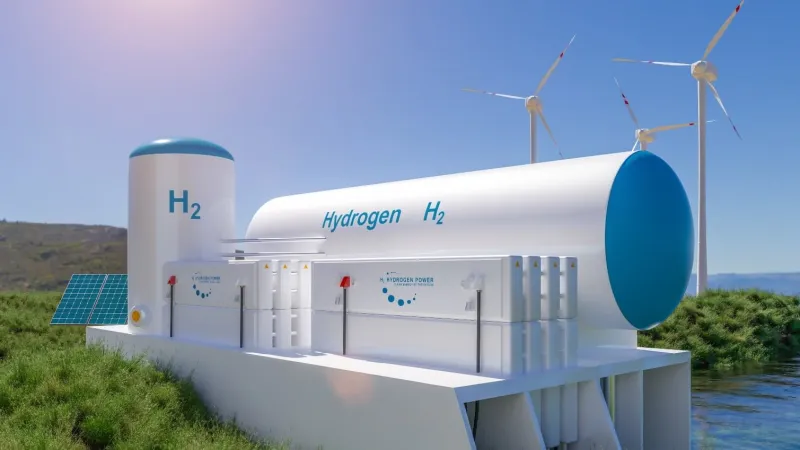
Morocco is positioning itself as a global leader in green hydrogen production, aiming to reduce its energy dependence and capitalize on its abundant renewable resources. According to the Moroccan Agency for Sustainable Energy (MASEN), the country plans to produce 30% of the world's green hydrogen by 2030, leveraging its vast solar and wind potential.
The strategy involves developing large-scale electrolysis projects powered by renewable energy, with a focus on exporting to Europe. In 2025, Morocco signed a memorandum of understanding with Germany to collaborate on green hydrogen infrastructure, including a pipeline to transport hydrogen to European markets.
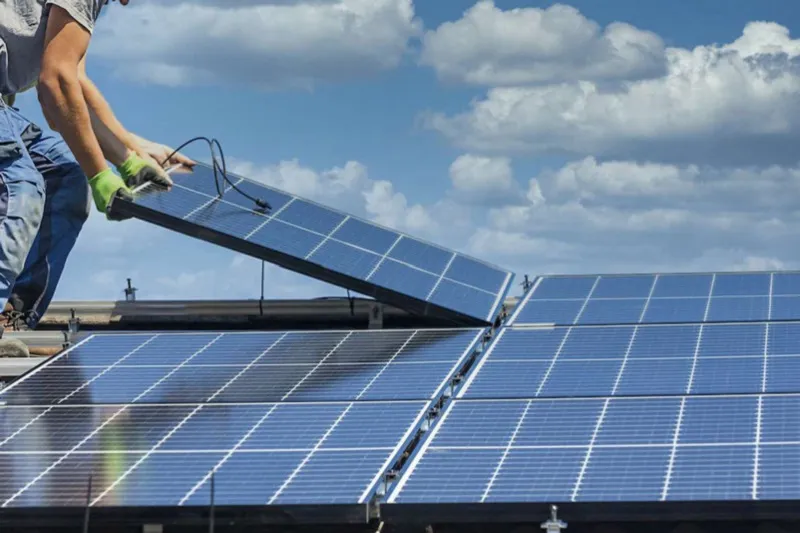
Morocco's green hydrogen initiative is part of its broader energy transition plan, which targets 52% renewable energy in its electricity mix by 2030. The country has already invested over $2 billion in solar and wind farms, including the Noor Ouarzazate solar complex, one of the world's largest concentrated solar power plants.
Experts highlight that Morocco's geographic proximity to Europe and its stable political environment make it an attractive partner for green hydrogen exports. However, challenges remain, including high production costs and water scarcity, which could impact electrolysis processes.