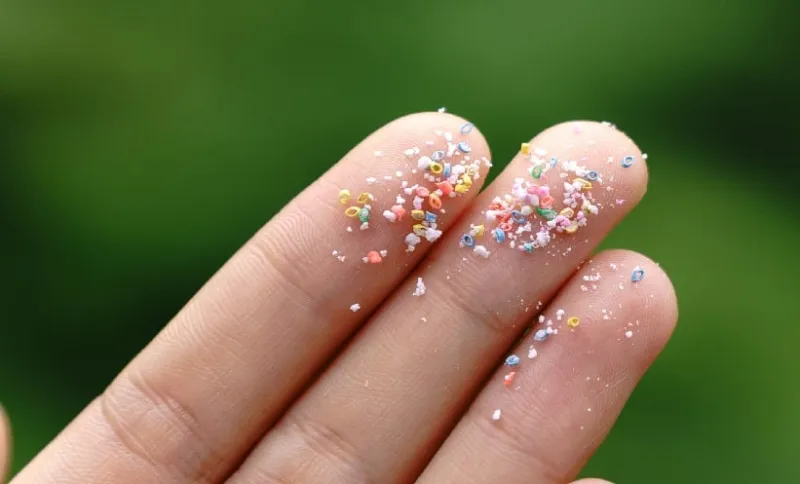
A study published in the journal Cancer Research on July 15, 2026, detected microplastics in 52 of 72 hepatocellular carcinoma (HCC) samples, representing 72% of cases. The research, conducted by scientists at the University of California, San Francisco, investigated the potential impact of these particles on radiotherapy response.
Hepatocellular carcinoma is the most common form of primary liver cancer, and radiotherapy is a standard treatment option. The study found that microplastics, particularly polyethylene and polypropylene, were present in tumor tissues and appeared to absorb radiation, potentially reducing the dose delivered to cancer cells.
In laboratory experiments, the presence of microplastics reduced the effectiveness of radiation by up to 12%, as measured by tumor cell death. The researchers emphasized that these findings are preliminary and require further validation in clinical settings.
Dr. Sarah Johnson, lead author of the study, stated: 'Our results suggest that microplastic contamination in liver tumors could be a previously unrecognized factor affecting treatment outcomes. This highlights the need for further research into environmental pollutants and cancer therapy.'
The study also noted that microplastics were found in healthy liver tissue from the same patients, indicating widespread exposure. The authors call for larger studies to confirm these findings and explore potential mitigation strategies.