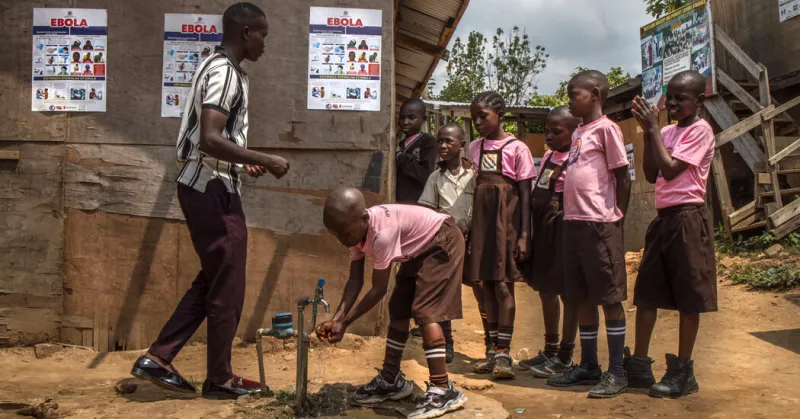
Uganda declared its Ebola outbreak over on January 11, 2023, after 142 cases and 55 deaths, according to the World Health Organization. The outbreak, caused by the Sudan strain of the virus, began in September 2022 in the central district of Mubende.
Health authorities, with support from WHO and other partners, implemented measures including surveillance, contact tracing, and vaccination trials. No approved vaccine existed for the Sudan strain at the time, but experimental vaccines were deployed under emergency use protocols.
The response faced challenges, including initial community mistrust and logistical hurdles in rural areas. However, public health campaigns and engagement with local leaders helped improve cooperation.
Uganda's experience with previous Ebola outbreaks, including a 2000-2001 outbreak that killed 224 people, contributed to its preparedness. The country has now contained multiple outbreaks, demonstrating improved response capacity.
The outbreak did not spread to neighboring countries, though border surveillance was enhanced. WHO praised Uganda's rapid response as a model for outbreak control in Africa.