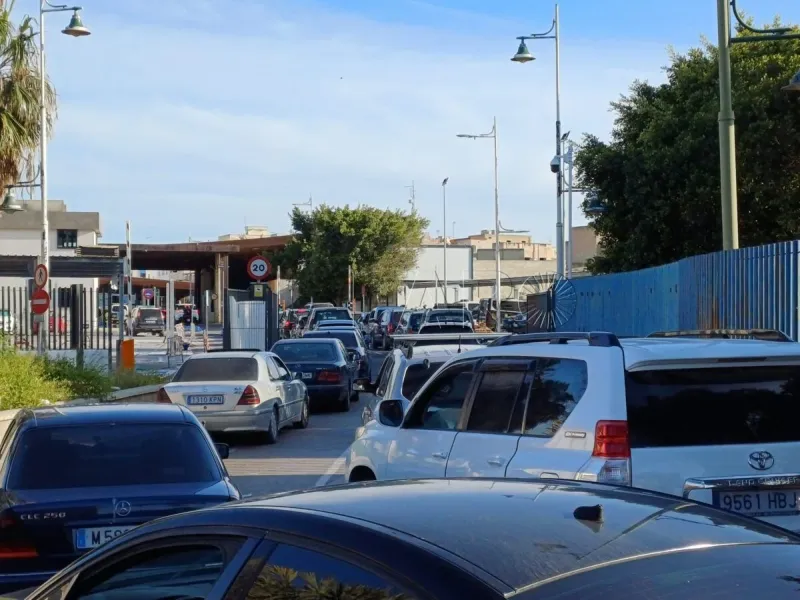
On May 22, 2026, the government of Melilla, a Spanish enclave in North Africa, urged both Madrid and Rabat to take immediate action to alleviate severe congestion at the Beni Ensar border crossing. The queues, which have persisted for weeks, are causing significant delays for goods and people, affecting local trade and daily life.
According to local officials, the bottleneck stems from increased security checks and administrative procedures implemented by Moroccan authorities since early 2026. Melilla's president, Juan José Imbroda, stated that the situation is 'untenable' and called for a bilateral agreement to streamline border operations without compromising security.
Economic operators in Melilla report losses due to delayed shipments, while residents face hours-long waits to cross into Morocco. The enclave relies heavily on cross-border commerce, with many workers and shoppers commuting daily.
Spanish and Moroccan diplomats have held preliminary talks, but no concrete measures have been announced as of May 22. The European Union has offered mediation, though both nations prefer direct negotiations.
This issue highlights ongoing tensions over border management between Spain and Morocco, which have seen periodic closures and restrictions since 2021. The Beni Ensar crossing is a critical link for the region's economy and family ties.