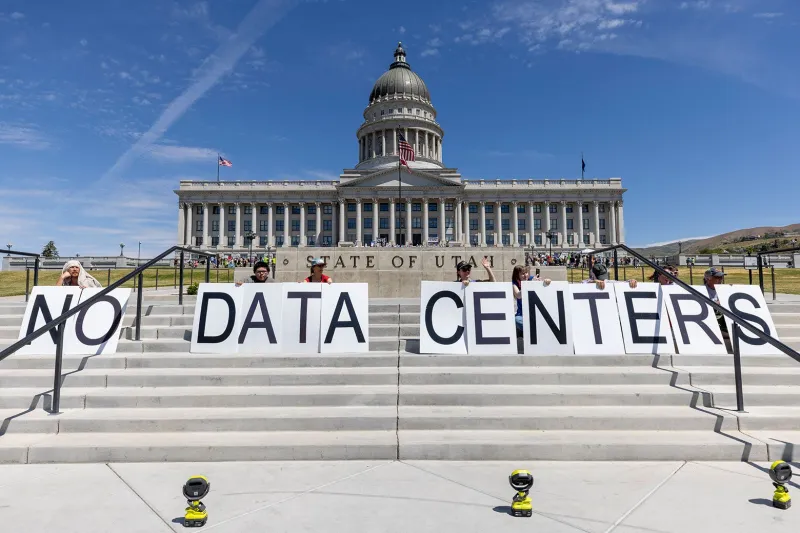
Communities across the United States are increasingly pushing back against the proliferation of data centers, and a recent victory in Maryland has provided a blueprint for such efforts—though without guarantees of lasting success.
In a case that drew national attention, activists in Maryland successfully paused a proposed artificial intelligence data center project. The campaign, which involved local residents and community groups, raised concerns about the environmental impact, energy consumption, and potential strain on local infrastructure. The project's future remains uncertain, as the pause is temporary and could be lifted.
This Maryland effort is part of a broader trend. Across the country, residents are organizing to oppose data center developments, citing issues such as noise, water usage, and the carbon footprint of power-hungry facilities. The Maryland case is notable for its strategic approach, which included public hearings, legal challenges, and coordinated community outreach.
However, experts caution that such victories are often temporary. Data center developers have significant resources and may return with revised proposals or pursue legal avenues to overturn local decisions. The Maryland pause is a reminder that community organizing can be effective, but sustained vigilance is required.