Following the deadly attacks on April 25, 2026, in Mali, claimed by the Group for Support of Islam and Muslims (JNIM), an Al-Qaeda affiliate in the Sahel, Morocco and Algeria have presented contrasting responses, reflecting their longstanding rivalry over regional influence.
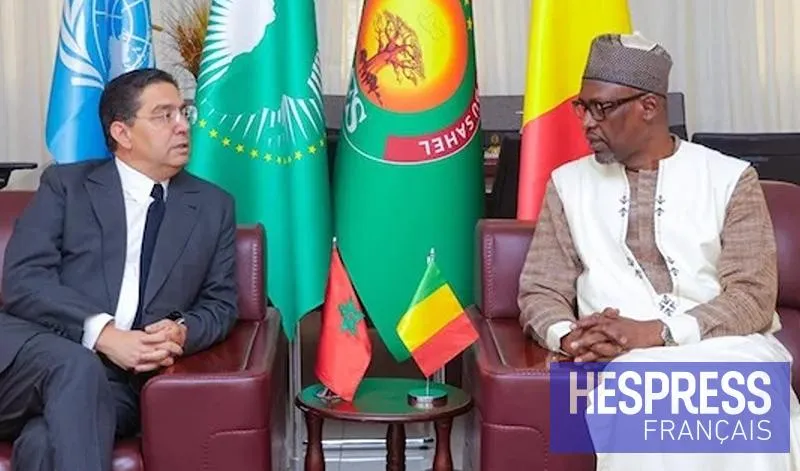
Morocco, through a diplomatic source, condemned the attacks and reiterated its commitment to a non-military approach, focusing on development and humanitarian aid to address root causes of extremism. The Moroccan government has offered medical and logistical support to Mali, but refrained from endorsing any military intervention.
In contrast, Algeria, which shares a long border with Mali, called for an immediate regional military coalition to combat terrorist groups. Algerian officials emphasized the need for coordinated action under the African Union framework, warning that the attacks threaten the stability of the entire Sahel region.
The JNIM assault targeted a Malian military base in the Gao region, killing at least 42 soldiers and wounding dozens more. The attack is one of the deadliest in Mali in recent years, highlighting the persistent security challenges despite international efforts.
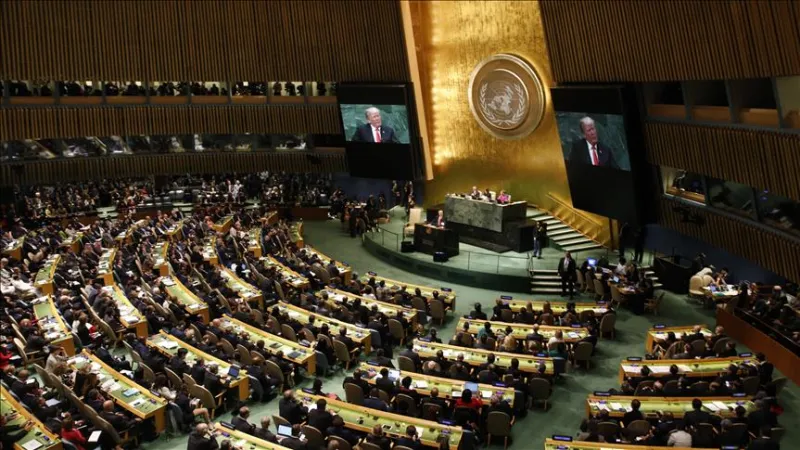
Analysts note that the divergent positions of Morocco and Algeria complicate any unified regional response, as both countries vie for leadership in North and West Africa. The United Nations has called for restraint and a coordinated strategy to avoid further destabilization.