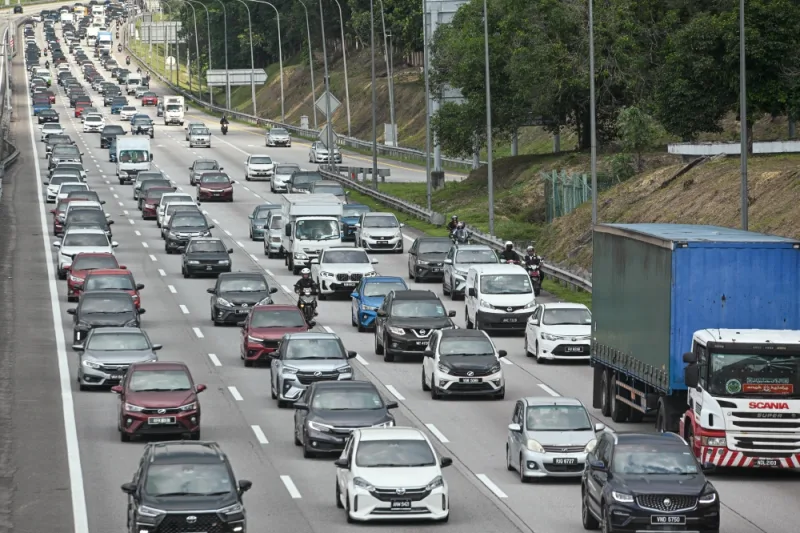
KUALA LUMPUR, April 3 — Malaysia's economic structure is vulnerable to global oil price shocks due to its heavy dependence on private vehicles and subsidised fuel, according to a report by the environmental think tank Centre for Governance and Political Studies (Cent-GPS). The analysis highlights systemic risks, though it does not reference a specific, current US-Iran war as a trigger.
The report, based on domestic data analysis, states that over 80% of Malaysian households own at least one car, creating an economy highly sensitive to fuel prices. The government's long-standing policy of subsidising petrol and diesel, while cushioning consumers, represents a significant fiscal burden and reduces resilience against international oil market volatility.
Cent-GPS argues that this dependency stifles the development of comprehensive public transportation networks outside major urban centers. The think tank warns that without structural reforms to diversify transport options and rationalise subsidies, Malaysia remains exposed to economic strain from future oil supply disruptions or price spikes driven by geopolitical events.
Economists note that while global oil prices fluctuate based on factors including Middle Eastern tensions, Malaysia's status as a net oil exporter provides some counterbalance. However, the domestic consumption subsidy mechanism and entrenched car culture still present clear fiscal and economic vulnerabilities, as outlined in the assessment.