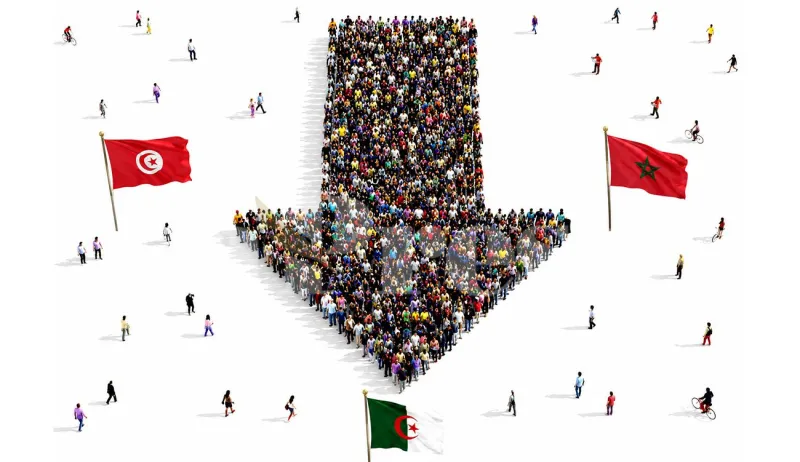
According to data from the Tunisian National Institute of Statistics (INS), the country's fertility rate dropped to 1.7 children per woman in 2025, the lowest level ever recorded. This decline is part of a broader trend across the Maghreb region, including Algeria and Morocco.
In Algeria, the fertility rate fell to 2.5 children per woman in 2024, down from 3.0 in 2019, as reported by the Algerian Office of National Statistics. Morocco's rate stood at 2.1 children per woman in 2023, according to the High Commission for Planning (HCP), with projections indicating further declines.
Demographers attribute the drop to increased female education, higher participation of women in the workforce, rising costs of living, and delayed marriage. In Tunisia, the average age at first marriage has risen to 33 for men and 29 for women, according to INS data.
The trend poses economic challenges, including a shrinking working-age population and increased pressure on pension systems. Governments in the region have introduced pro-natalist policies, such as Tunisia's family allowances and Algeria's housing subsidies, but their impact remains limited.
Experts warn that without significant policy changes, the Maghreb could face demographic stagnation similar to Southern Europe, with potential long-term effects on economic growth and social stability.