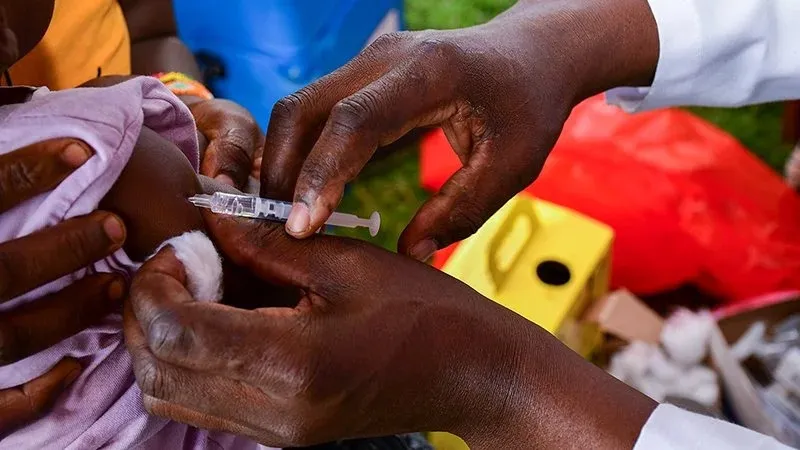
Kenya has made significant progress in vaccinating adolescent girls against human papillomavirus (HPV) to prevent cervical cancer, with the HPV vaccine introduced in 2019 and reaching over 80% coverage in some regions by 2025, according to the World Health Organization (WHO). However, public health officials highlight a persistent challenge: approximately 135,000 children in Kenya are classified as 'zero-dose'—meaning they have not received any routine vaccines during their first year of life, as reported by Gavi, the Vaccine Alliance.
The zero-dose children are concentrated in underserved areas, including remote rural communities and urban slums, where access to healthcare is limited. The WHO and Kenya's Ministry of Health have launched targeted campaigns to reach these children, using mobile clinics and community health workers. As of July 2026, these efforts have reduced the zero-dose count by 15% compared to 2024, but the goal of universal coverage remains elusive.
Dr. Rose Leke, a WHO immunization expert, stated in a June 2026 press release, 'Kenya's HPV program shows what is possible with political will and community engagement, but we cannot ignore the children left behind in routine immunization.' The HPV vaccine, given to girls aged 9-14, has been integrated into school-based programs, achieving high uptake in 40 of Kenya's 47 counties.
Challenges include vaccine hesitancy, logistical barriers in hard-to-reach areas, and funding gaps. The Kenyan government, with support from Gavi and UNICEF, aims to halve the number of zero-dose children by 2028, focusing on integrated health services that combine immunization with nutrition and maternal care.