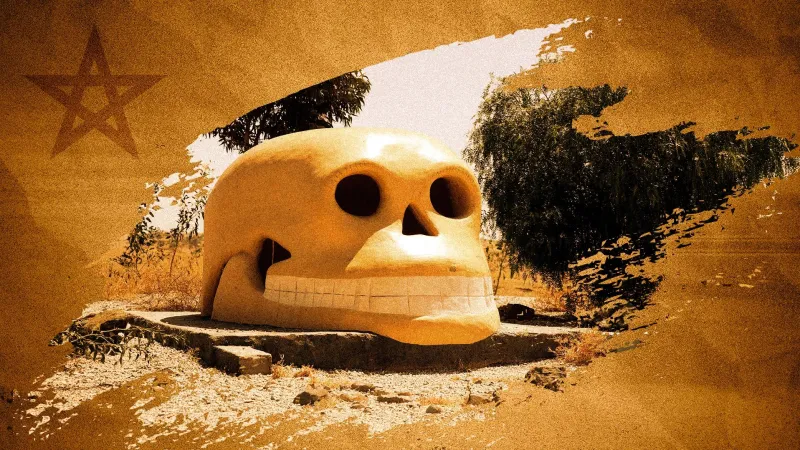
Fossils discovered at the Jebel Irhoud site in Morocco have reshaped the timeline of human evolution. In 2017, scientists published in Nature that these remains, including a skull, date to approximately 300,000 years ago, making them the oldest known Homo sapiens fossils. This predates previous finds in East Africa by about 100,000 years.
The site, first excavated in the 1960s, yielded stone tools and bones. Modern dating techniques using thermoluminescence on flint artifacts and electron spin resonance on a tooth confirmed the age. The skull shows a modern face but an elongated braincase, indicating a mosaic of features.
This discovery suggests that early Homo sapiens spread across Africa earlier than thought, challenging the idea of a single East African cradle. The findings are widely accepted in paleoanthropology as evidence of a pan-African origin for our species.