Scientists have identified a rapid protein-control system in cells that may help them survive sudden temperature increases, such as heat shock. The study, published in 2026, reveals a mechanism that allows cells to quickly adjust protein production in response to environmental stress, potentially aiding survival in a warming world.
When cells experience a sudden rise in temperature, they typically rely on synthesizing new proteins to adapt. However, this process is slow and inefficient for rapid changes. The newly discovered system enables cells to rapidly control existing proteins, providing a faster response to heat shock.
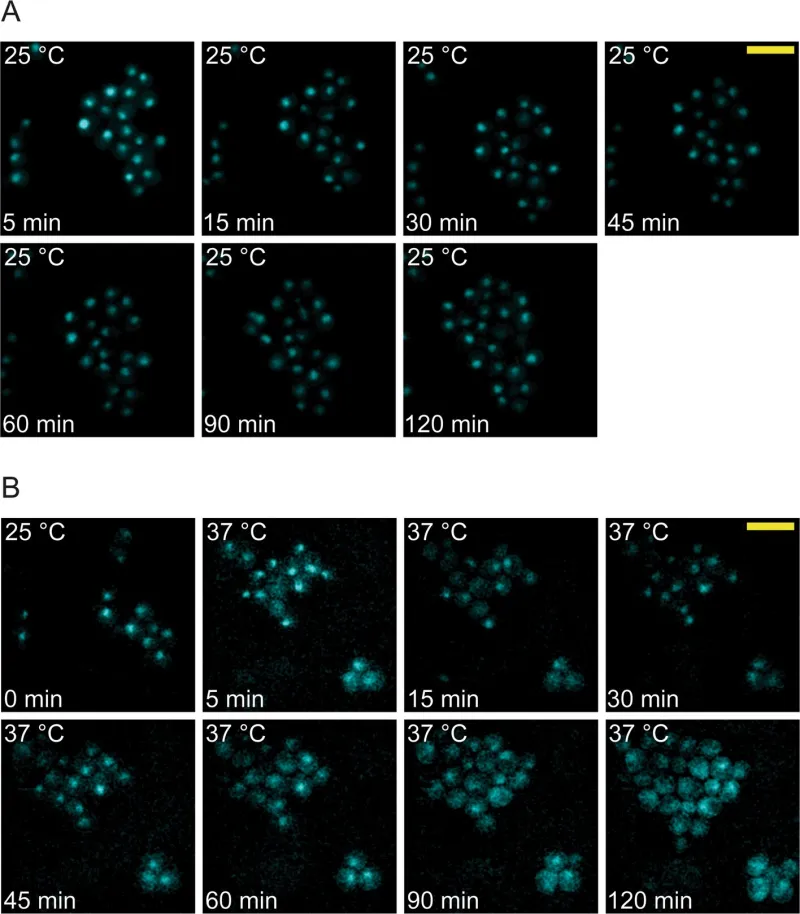
Researchers used advanced imaging techniques to observe how cells manage protein levels during heat stress. They found that a specific set of proteins is rapidly degraded or modified, allowing the cell to conserve energy and focus on essential functions. This mechanism could be crucial for organisms facing extreme weather events due to climate change.
The findings have implications for understanding how cells cope with stress and could inform strategies to improve heat tolerance in crops or treat diseases linked to protein misfolding, such as Alzheimer's. Further research is needed to explore how this system operates in different organisms.