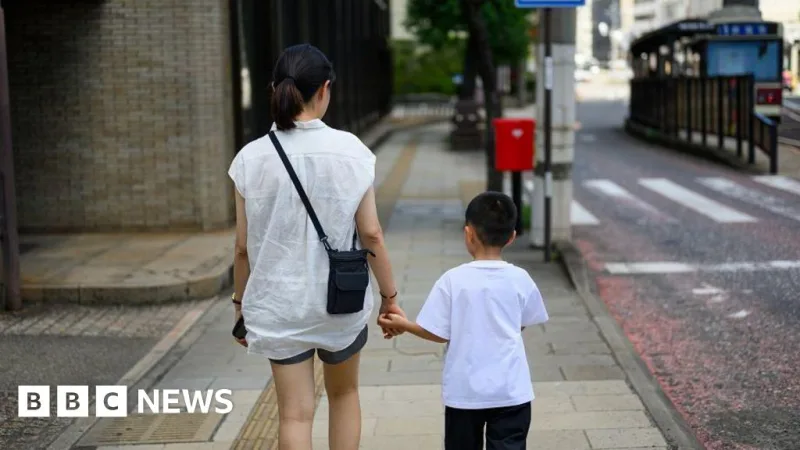
A landmark revision to Japan's Civil Code, allowing divorced parents to share custody of their children, took effect on Wednesday, April 1, 2026. The amendment, passed by Japan's parliament in 2024, fundamentally changes the country's family law, which had previously granted sole custody to one parent in virtually all divorce cases.
Prior to this change, Japan was the only member of the Group of Seven (G7) advanced economies that did not legally permit joint custody after divorce. The reform introduces a default principle of shared parental responsibility, aiming to ensure both parents remain involved in their children's lives post-divorce, though courts can still order sole custody in cases involving domestic violence or abuse.
The law's implementation follows years of advocacy by parent groups and international criticism. Supporters argue it protects children's right to relationships with both parents, while some critics express concerns about its application in contentious separations. The government has stated that family courts will receive guidelines to handle the new system, focusing on the child's best interests.