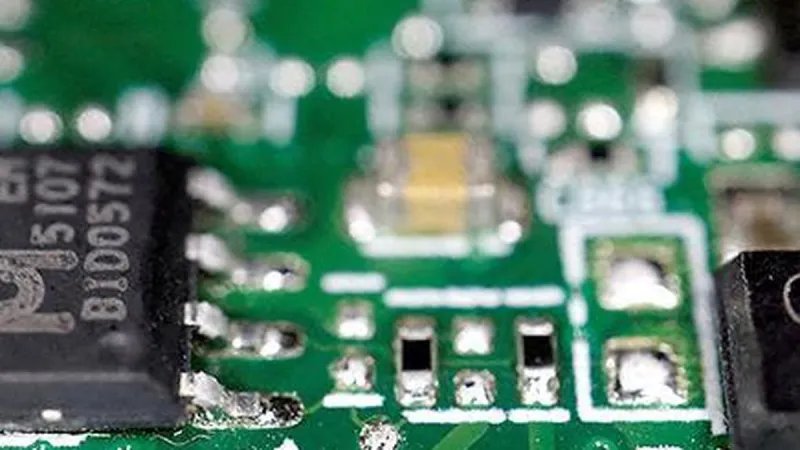
The expenditure department under India's Finance Ministry has cleared a Budget proposal allocating ₹1.25 lakh crore (approximately $15 billion) for the India Semiconductor Mission 2.0, according to official sources. The mission aims to advance the country's global chip-making ambitions and strengthen its position in the semiconductor supply chain.
The outlay, part of the Union Budget for fiscal year 2026-27, was approved by the Finance Ministry panel on June 30, 2026. This follows the success of the first phase of the India Semiconductor Mission, which attracted investments from companies like Micron Technology and Tata Group.
India Semiconductor Mission 2.0 will focus on establishing fabrication units, assembly, testing, marking, and packaging (ATMP) facilities, and design-linked incentive schemes. The government expects the initiative to create over 100,000 jobs in the electronics manufacturing sector by 2030.
The move aligns with India's broader strategy to reduce dependence on foreign chip imports and become a key player in the global semiconductor ecosystem. The government has already approved three semiconductor plants in Gujarat and Assam, with production expected to begin by 2028.