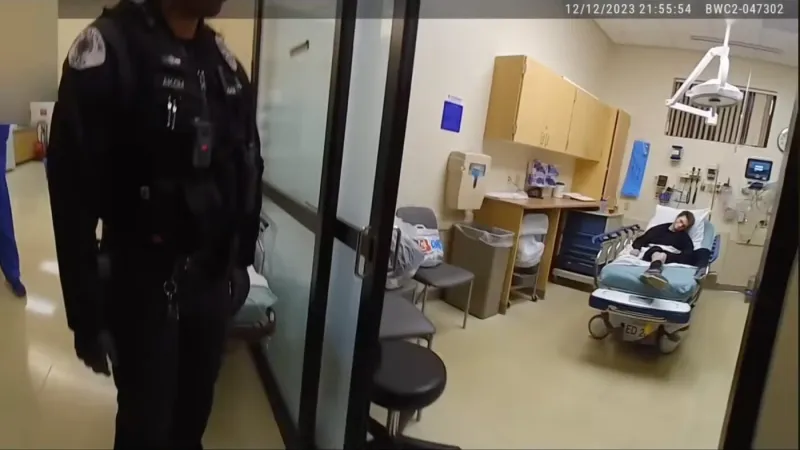
On a cold December night in 2023, staff at Providence Milwaukie Hospital in Milwaukie, Oregon, called local police to help remove a 26-year-old patient, Jean Descamps, from the emergency room. According to an NPR investigation, the hospital sought to discharge Descamps, who was experiencing withdrawal, but he refused to leave. The police were called to escort him out.
The incident reflects a broader problem: many hospitals and doctors are not equipped to treat patients with substance use disorders. Instead of providing medication-assisted treatment or connecting patients to addiction services, they often discharge them or involve law enforcement. This approach can lead to repeated emergency visits and worse health outcomes.
Experts say that with proper training and resources, hospitals can play a crucial role in initiating addiction treatment. Medications like buprenorphine are effective and can be started in emergency settings. However, many hospitals lack the protocols or staff to do so, leaving patients without the care they need.
The NPR report highlights the need for systemic changes in how medical institutions handle addiction, emphasizing that addiction is a medical condition, not a criminal issue. Calls for better integration of addiction services into standard medical care are growing, but progress remains slow.